
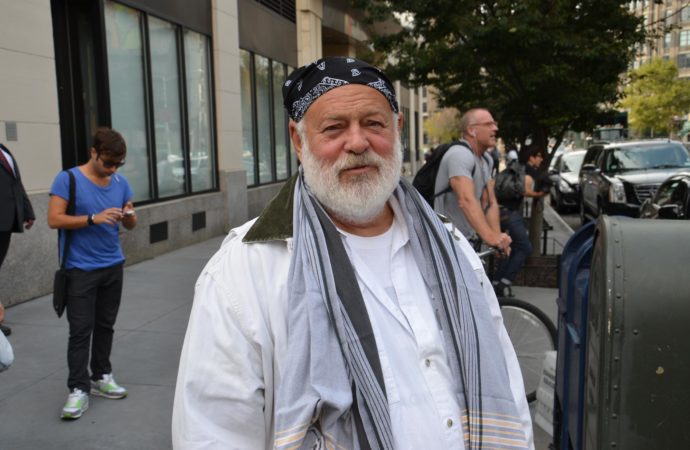

These reflections on the art of photography arose as I was reading My Education, an exceptional photobook published by Taschen that brings together 500 photographs documenting the life and work of Bruce Weber (Greensburg, Pennsylvania, 1946), the celebrated photographer behind some of the most iconic advertising campaigns for Calvin Klein, Ralph Lauren, Versace and Abercrombie & Fitch, as well as landmark editorial features in Vogue, GQ, W Magazine and Vanity Fair.

This photobook is, in fact, an expanded catalogue of the major retrospective exhibition Bruce Weber: My Education, held by the Prague City Gallery at the Stone Bell House in the Czech capital in autumn 2024. Curated by Helena Musilová, the exhibition brought together 300 photographs—including a photo shoot in Prague in 2000 with the late actor Heath Ledger, as well as portraits of Eva Herzigová and Martina Navratilova—alongside Weber’s short films, documentaries and archival material. Together, they offered a comprehensive overview of his fifty-year career.
Following the Prague exhibition, Weber presented Try a Little Tenderness at the Fahey/Klein Gallery in Los Angeles and collaborated with 032c and the Italian edition of Icon. He has also made a new documentary, The Treasure of His Youth: The Photographs of Paolo Di Paolo (2021), while managing his collection through Paris Photo, Art Basel and Art Miami.
Born and raised in Greensburg, Pennsylvania, Weber studied theatre at Denison University and later film at New York University. He also took photography classes with Lisette Model at the New School for Social Research, where Diane Arbus and Larry Fink also studied. Model instilled in her students a humanistic approach to photography, encouraging them to shoot in open spaces and use tight framing, low camera angles and strong contrasts to capture their subjects’ psychology and authenticity without idealizing them. These are lessons Weber has never forgotten.
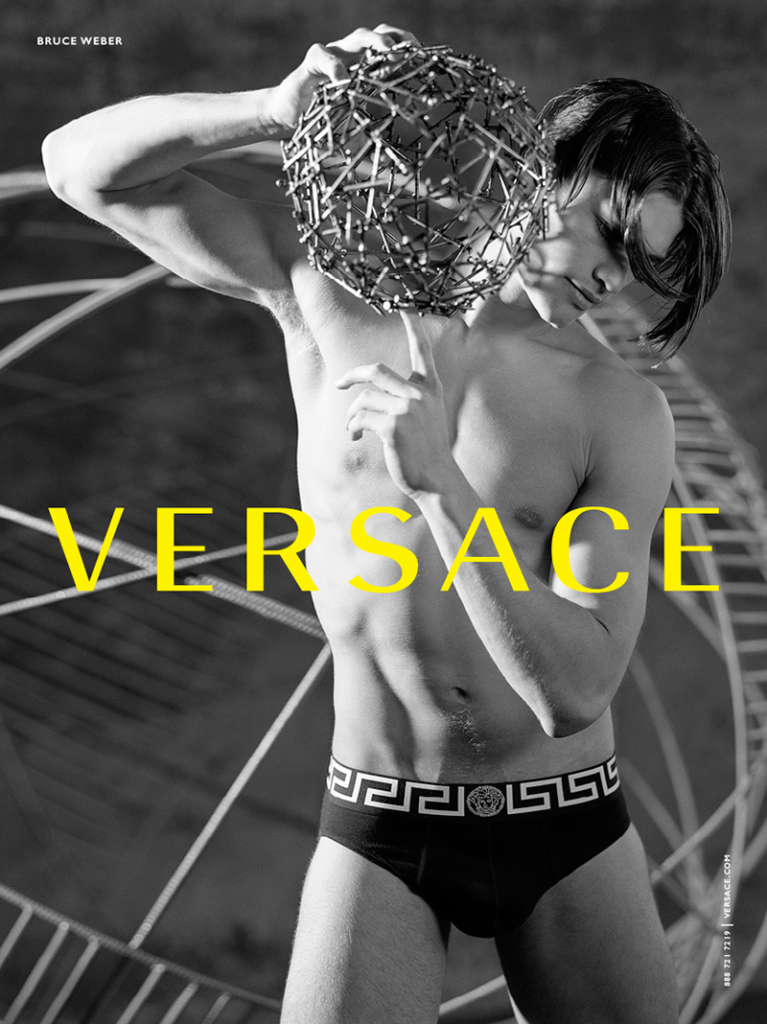
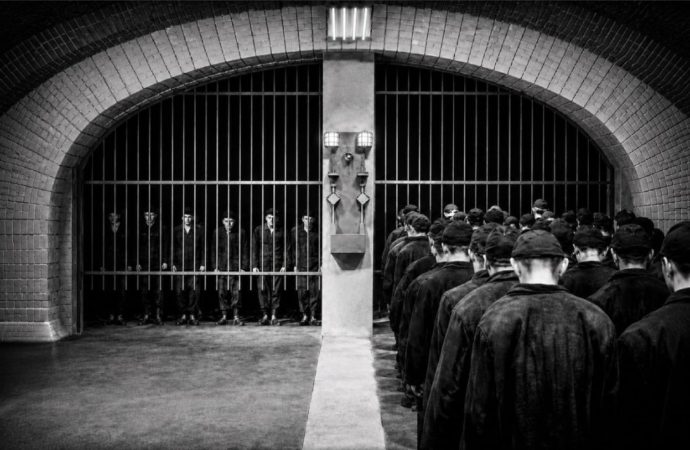
Versace FW17 campaign. Photo: Bruce Weber.
In the late 1970s, Bruce Weber began working for Vogue (its American, Italian and French editions), Vanity Fair, Interview and GQ, as well as for brands such as Ralph Lauren, Karl Lagerfeld, Gianni Versace, Louis Vuitton and, above all, Calvin Klein. His images of young men, captured in nostalgic black and white and often set on beaches or in small towns, conveyed a sensuality and sense of freedom that radically challenged prevailing conventions. They introduced a new vision of masculinity, characterized by subtle homoeroticism, camaraderie and vulnerability, breaking with the stereotype of the tough, self-sufficient man.
This new image of masculinity emerged in 1982 with a Calvin Klein Underwear campaign featuring athlete Tom Hintnaus, wearing nothing but white briefs and reclining against a whitewashed wall on the Greek island of Santorini. The photograph was displayed on a 150-square-metre billboard in New York’s Times Square. It caused a sensation, marking a turning point in large-scale advertising by presenting the semi-naked male body as an object of desire in a public space.
The photograph quickly became an icon, sending underwear sales soaring —Calvin Klein reportedly sold more than $20 million worth of briefs that year— and bringing homoerotic imagery into mainstream consumer culture. Since then, the brand’s men’s underwear has been regarded as a symbol of fashion, status and eroticism.
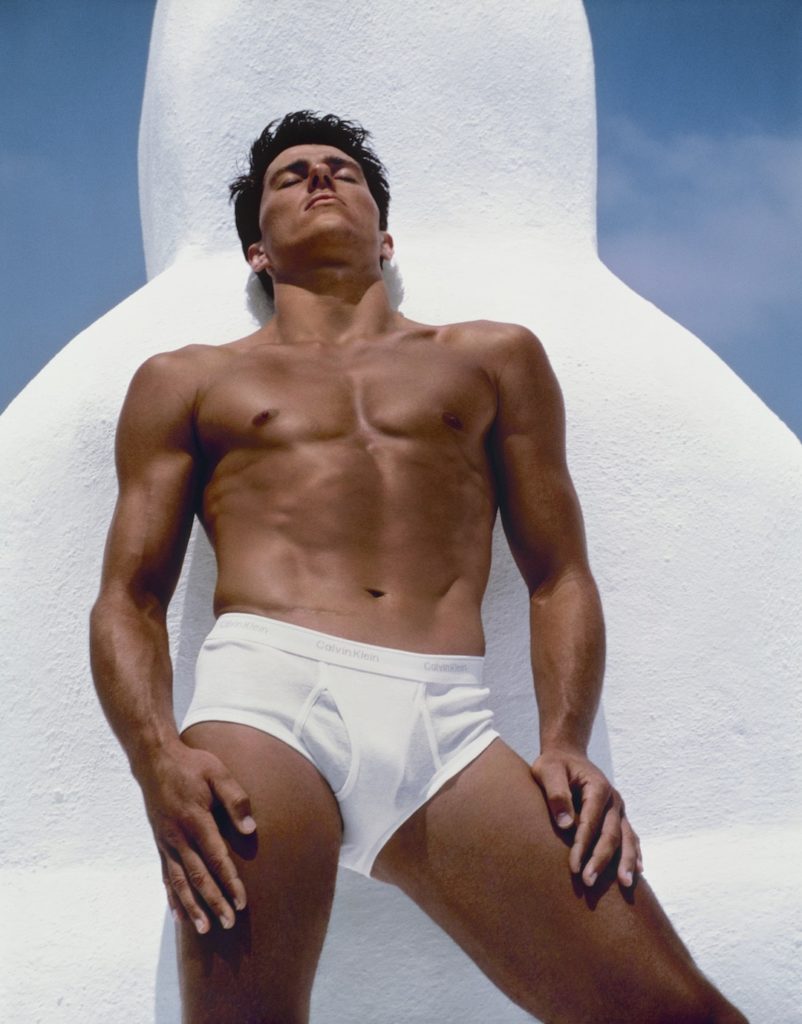
Tom Hintnaus for Calvin Klein. Photo: Bruce Weber.
The publication of My Education is part of Weber’s artistic resurgence following the sexual harassment allegations made against him in the wake of the #MeToo movement. In December 2017, former model Jason Boyce filed a lawsuit against the photographer in the New York Supreme Court, accusing him of sexual assault and inappropriate conduct during a photo shoot in Manhattan three years earlier, when Boyce was 18. According to the lawsuit, the alleged incidents caused him such severe emotional distress that he abandoned his modelling career.
In January 2018, at the height of the #MeToo movement, The New York Times published accounts from thirteen other male models who accused Weber and photographer Mario Testino—renowned for his work with Gucci, Burberry, Versace, Michael Kors, Chanel, Stuart Weitzman, Carolina Herrera and Estée Lauder—of sexually aggressive behaviour during photo shoots.
Weber, like Testino, denied all the allegations from the outset, firmly maintaining that the claims were false and that he had never sexually assaulted or coerced anyone into intimate relations. Condé Nast, the publishing group behind Vogue, GQ and Vanity Fair, immediately severed its professional ties with the photographer. Ralph Lauren, Versace, Michael Kors and Abercrombie & Fitch followed suit.
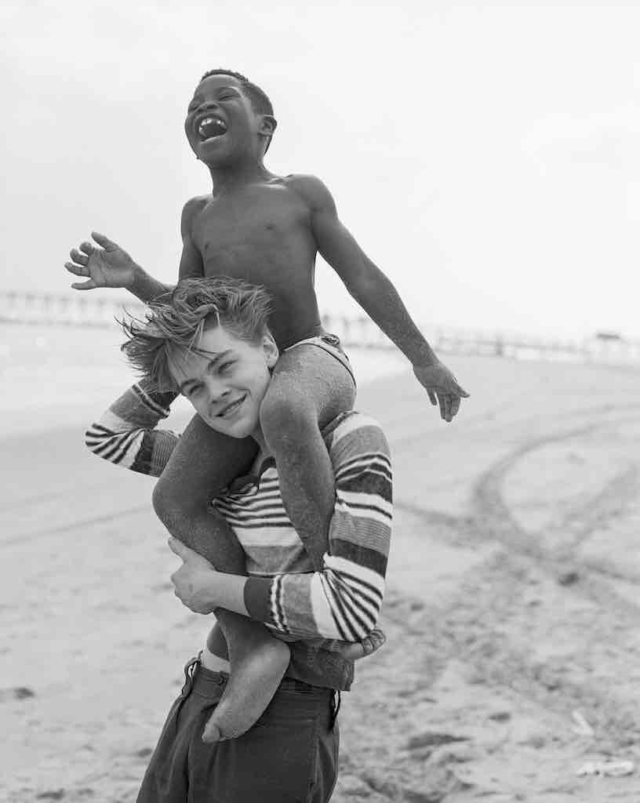
Leonardo DiCaprio photographed by Bruce Weber for Interview in 1994.
The lawsuits never went to trial or resulted in a finding of guilt, although Weber faced condemnation from the fashion industry and sections of public opinion. In July 2021, the photographer’s legal team reached a confidential financial settlement with Boyce, followed by a similar agreement with the other models’ representatives in September of the same year. The amounts were never disclosed, and neither settlement constituted an admission of guilt on Weber’s part.
Nevertheless, although the legal proceedings were brought to a close, the major fashion brands have neither resumed working with him nor offered him an apology. Since autumn 2021, he has redirected his career towards the art world, away from the fashion industry.
Weber employs a highly distinctive photographic approach, one that lies at the heart of much of the controversy surrounding his work. Rather than immediately beginning to shoot on set, he seeks to establish an atmosphere of trust and break down barriers. He ventures into the realm of intimacy, emotional exposure and vulnerability, allowing him to capture his models’ spontaneity and their physical and emotional fragility. It is a demanding technique, psychologically challenging and not always understood by the models themselves, but one that enables him to humanize his subjects by stripping away artificiality.
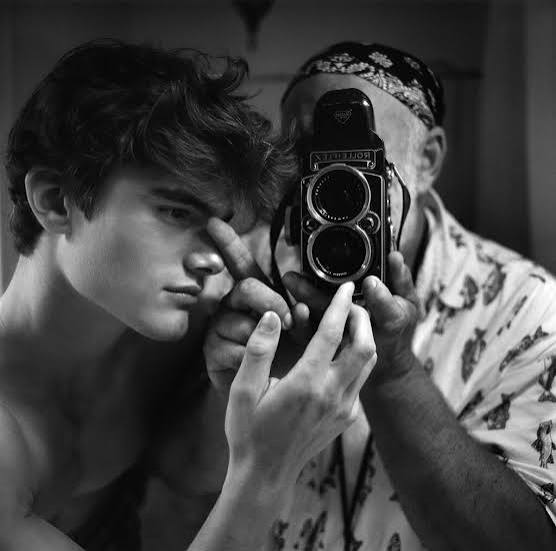
This technique is remarkably similar to the approaches employed by filmmakers such as John Cassavetes—a true master of emotional realism—Ingmar Bergman, Pedro Almodóvar in his recent films, and Bernardo Bertolucci, all of whom seek authenticity in performance through emotion and vulnerability. They encourage their performers to expose themselves physically and emotionally in the construction of their characters, exploring their traumas and moving beyond the conventions of traditional acting techniques. Not every actor—or, in Weber’s case, model—is willing to make themselves so vulnerable.
A similar approach can be found in the celebrated Actors Studio Method, developed by Lee Strasberg, who combined Konstantin Stanislavski’s theatrical techniques with psychoanalysis. In this approach, actors do not merely portray emotions; they experience them, and not every performer is prepared to expose themselves to such an extent. One might hope that the growing presence of intimacy coordinators on film shoots and photographic sets will help resolve many of these conflicts involving actors and models, an issue explored particularly well in The Beloved (Rodrigo Sorogoyen, 2026). All in the name of art.

Nadie ha publicado ningún comentario aún. ¡Se tú la primera persona!