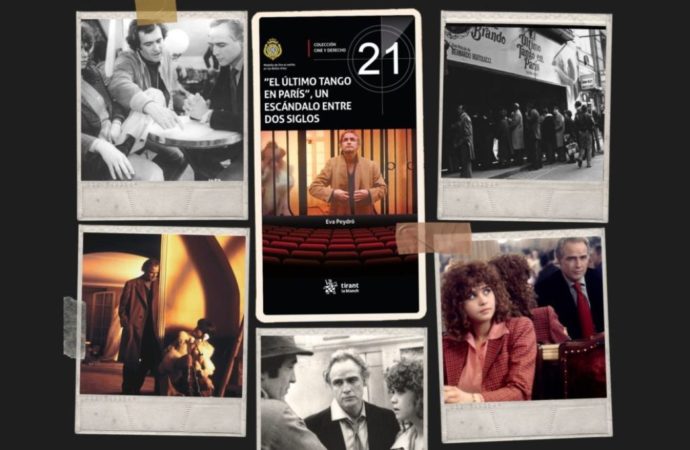
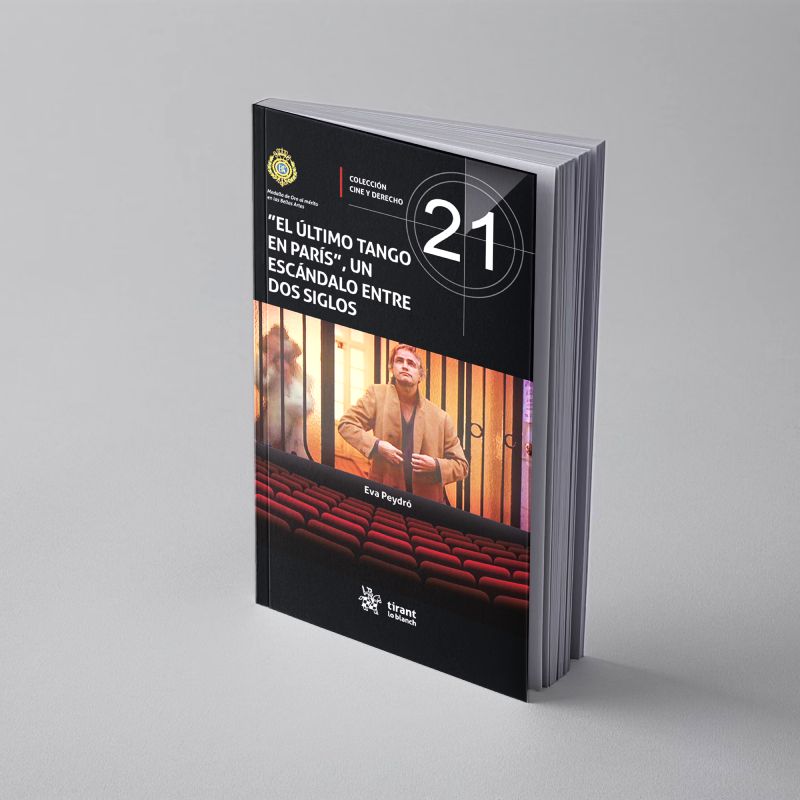
Last Tango in Paris: A Scandal Between Two Centuries (El último tango en París: un escándalo entre dos siglos, Tirant lo Blanch, 2025), by Eva Peydró, is the first book to offer a truly comprehensive examination of one of the most complex and enduring controversies in the history of European cinema. Through rigorous, wide-ranging research, the book—which has been nominated for Best Film Book of the Year by the La Rambla festival—examines the making and reception of the film, abuses and power imbalances within the industry, the legal proceedings that led to its censorship and ostracism in Italy, the central role of improvisation as both a creative method and a source of ethical conflict, as well as its contemporary reassessments, including recent controversies at European cultural institutions.
Rather than reducing the film to a single moral judgement, film critic and writer Eva Peydró reconstructs the historical evolution of the scandal—aesthetic, political and symbolic—over more than fifty years, providing readers with a solid, well-documented framework for understanding why Last Tango in Paris remains a cultural battleground today. The author speaks to us in the wake of the book’s first reviews, following its official launch at Madrid’s legendary Ocho y Medio bookshop.
Last Tango in Paris, a Battleground
This book deals with a film about which we seem to know everything. What was left to tell? “Precisely what motivated me to write it was this accumulation of partial narratives and inaccuracies. Last Tango in Paris has been interpreted, judged and repurposed over more than five decades through very different frameworks. I wanted to reconstruct the entire trajectory of the scandal—aesthetic, moral and political—without reducing it to a single retrospective reading.
The book grew out of a desire to understand how the meaning of a work changes as the society looking at it changes. And not only that: I also wanted to reclaim Bertolucci’s most political film and its cinematic value. Unfortunately, both have been overshadowed by the circumstances surrounding its production and by a social perception, at the time of its release, that overlooked what was most valuable about the film.”
The title refers to “two centuries”, throughout which the film has remained the subject of intense—and not always favourable—discussion.
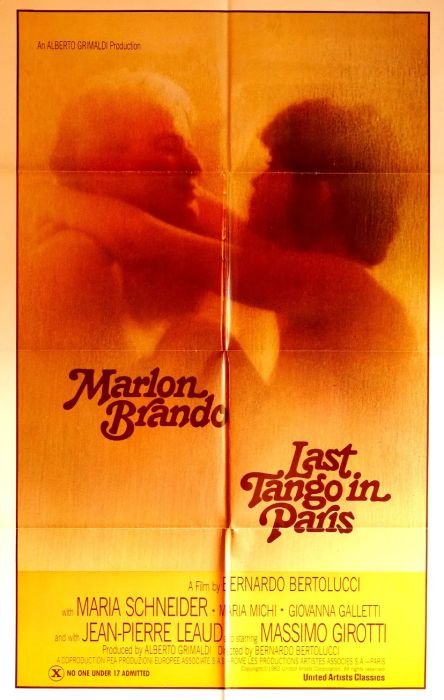
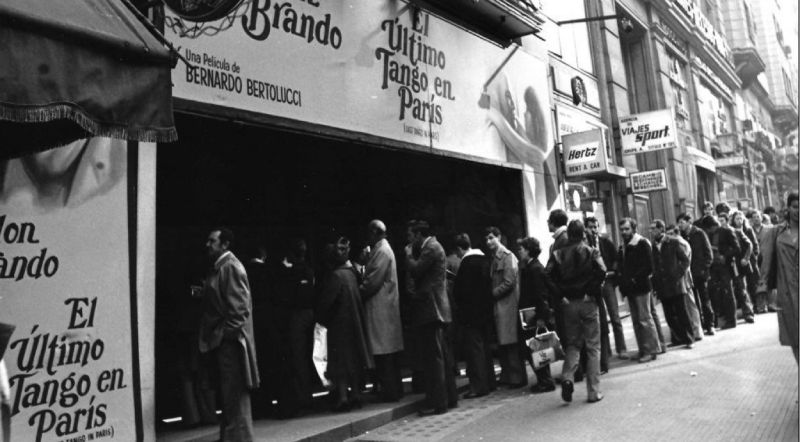
“Yes, those two centuries imply a historical shift. The film was released in 1972, in a post-1968 context, at the height of sexual liberation and at a time when the concept of authorship was gaining prominence. At its premiere at the New York Film Festival, tickets were resold for a fortune, already suggesting that this was going to be something extraordinary (we should remember that Bertolucci’s previous film, The Conformist, had been a huge success in Europe and the United States), and indeed its commercial run became a genuine social phenomenon.
But its contemporary reassessment—from the twenty-first century onwards—takes place according to a different set of parameters: consent, power, the ethics of representation. The scandal is not fixed; it mutates. The book follows that transformation and documents it.”
Research and Documentation
Speaking of documentation, the book contains a wealth of information and makes for compelling reading. What was your working method?
“Historical research and cultural analysis. I worked with archives, newspaper and periodical collections, aesthetic theory and feminist criticism. I examined the rulings from the legal proceedings that led to the film being censored in Italy until 1987, and I can say that the judgment did not merely punish a film; it established a moral conception of cinema and the body that shaped its circulation for years, ‘so as not to offend the viewer’s sense of morality’. Analysing it allows us to understand how the scandal shifted from the aesthetic to the institutional sphere, and how the State intervened directly in the symbolic life of the work—a point that resonates with the present day.
I also conducted interviews in which I gathered the testimonies of Catherine Breillat (who worked on the film when she was very young and who, as a director, is a disciple of Bertolucci), the journalist Molly Haskell, who reviewed the film upon its release for the Village Voice, and others. My aim was not to deliver a verdict, but to provide a solid framework for thinking about the film in all its complexity, without anachronisms or simplifications.”
Improvisation and Consent
The book also traces the careers of its two leads, who arrived on set with a considerable age difference between them.
“Yes. At the time, Marlon Brando was a 47-year-old megastar, while Maria Schneider, with very little experience in cinema, turned 20 during the shoot. In February 1972, when Brando arrived in Paris—a city he had felt particularly close to ever since visiting it in December 1949, after finishing his Broadway run of A Streetcar Named Desire—he was convinced that his career was over.
He even remarked, quite literally, as a sign of his decline, that he had just made a gangster film (The Godfather would be released on 15 March) and was about to start shooting an erotic one. He could hardly have imagined that his career was about to be revitalised. As for Maria, it is well known how profoundly Last Tango in Paris would shape her life and career.”
Here we come to one of the most delicate points, and one that readers will be particularly eager to reach. What was Maria Schneider’s experience really like, and how did you approach that chapter?
“With extreme care. My interest was very far removed from sensationalism—quite the opposite. It was essential to separate myth from verified facts and to contextualise her statements according to when they were made. The book does not shy away from violence or power imbalances, but nor does it instrumentalise her figure.
Memory demands precision and responsibility. The consequences of improvisation without consent are painful enough in themselves for any actress—and I cite several examples in the book, including Sharon Stone and Ellen Burstyn—yet the incident has been further muddied by false claims that do nothing to bring clarity.”
Did the film have no screenplay? Why is improvisation so important?
“In fact, there are two published screenplays, and Judge Gianni Mesina refers to the fact that the most controversial scene in Last Tango in Paris did not appear in the screenplay; there is not just one version. Improvisation was the creative driving force behind the film and, at the same time, gave rise to its ‘ethical flaw’. Bertolucci was seeking emotional truth, but that method raises questions such as: what happens when the pursuit of authenticity exceeds the boundaries of consent? The book offers no easy answers, but it does examine that conflict with precision.”
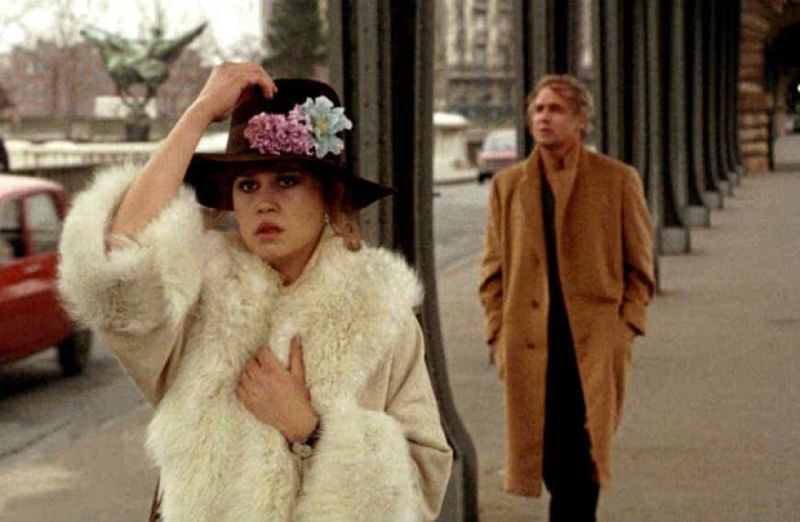
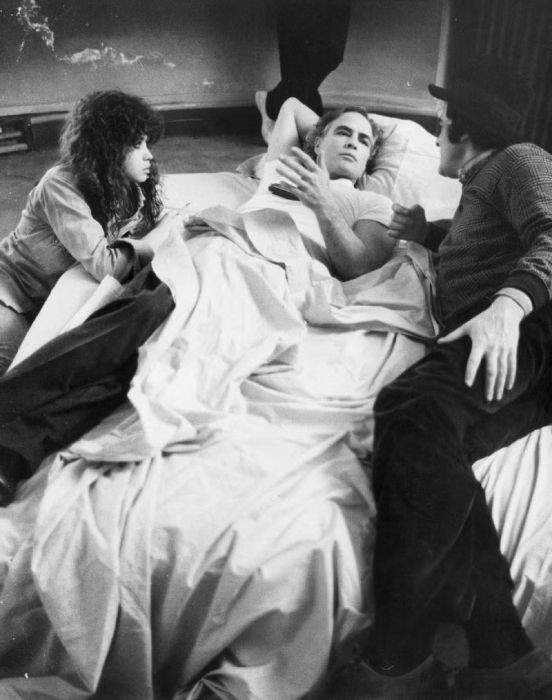
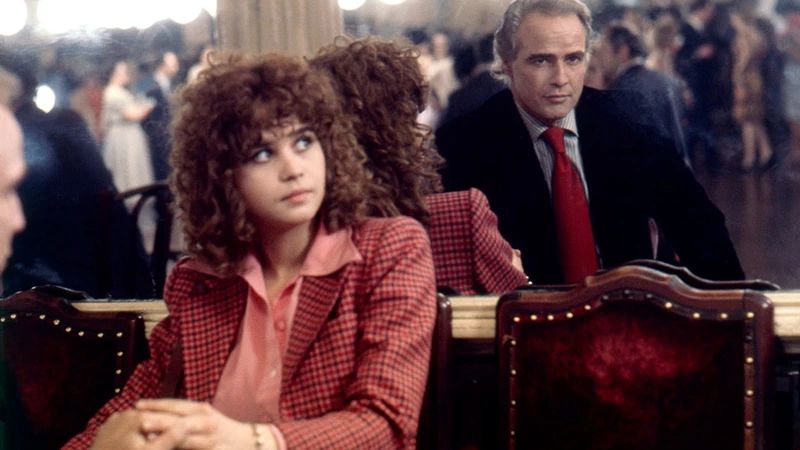
Brando, Schneider and Bertolucci during the filming of Last Tango in Paris.
Humiliation and Vindication
When you talk about false claims or prejudices surrounding the film, do you mean, for example, the widespread belief that the rape was real? That is what many readers may have thought before reading the book.
“Exactly. Norman Mailer lamented the question of real sex in his article ‘A Transit to Narcissus’, and I also address this widespread belief in the book. The shock Schneider experienced was real, and it was compounded by the scandal, which placed enormous pressure on her during the film’s promotion and in the years that followed. The disrespect she endured from the press and society amounted to a kind of condemnation: she was once spat at on a plane, and she could not sit down in a restaurant without someone immediately placing butter on the table in front of her.
At just twenty years old, she faced the film’s worldwide promotional campaign alone, without any support, at a moment when she suddenly found herself riding the crest of a wave but had no experience of how to deal with it. For example, she made hyperbolic statements about her sexual behaviour that were taken literally and exploited for sensationalist purposes. All of this worked against her in an extraordinarily cruel way.”
The new generations who did not encounter Last Tango in Paris when it was first released, and who have only heard about it through social media—probably without having seen it either—were unlikely to have that kind of information, I imagine. In the 1970s, as you describe in the book, the film was demonised for its sexual content…
“Yes, although now it seems almost modest, as Bertolucci said when it was re-released.”
But in light of the information about the scene involving the butter and how it was conceived, the reaction in the twenty-first century has been very different.
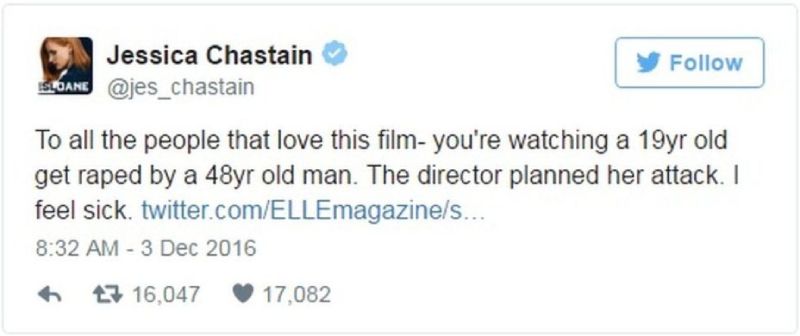
“Exactly. Maria is no longer vilified for taking part in an erotic film—and I want to point out that this did not happen to other stars of the genre such as Laura Antonelli or Sylvia Kristel—but is instead perceived as a victim. Her rehabilitation in the media began years ago, but it was from 2016 onwards that this wave of solidarity and vindication truly gathered momentum.”
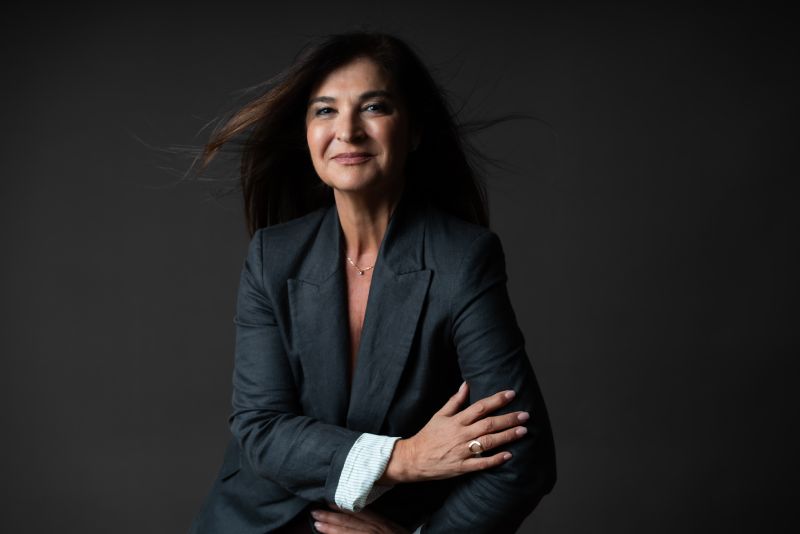
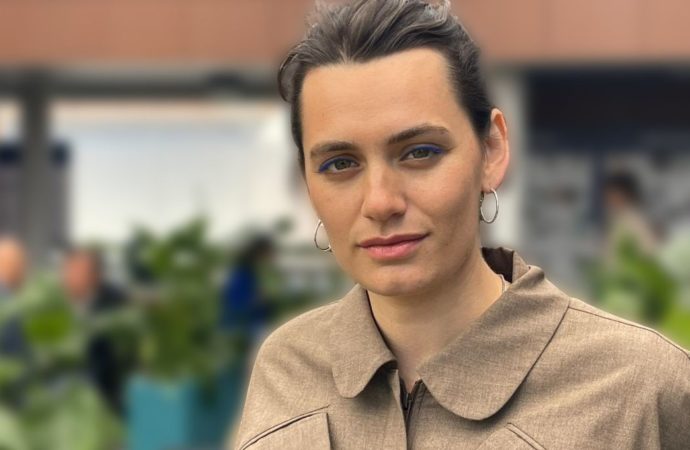
Eva Peydró. Photo: Lambros Kazan.
Cancellation as a Response
That attitude has manifested itself through boycotts and the cancellation of the film, for example at the Cinémathèque in December 2024.
“Not only through the cancellation of Last Tango in Paris by the institution itself, which feared for the safety of audiences and staff following a pressure campaign in the preceding days, but also through a hearing during a scrutiny session at the French National Assembly two months later, where its president, Costa-Gavras, its director, Frédéric Bonnaud, and its head of programming, Jean-François Rauger, were called to account. I have watched the video of the questioning, which is publicly available, and it could provide material for another essay in itself.”
In what sense exactly?
“For example, the politicians questioning them put forward distorted arguments—even false ones, when they cite figures concerning the lack of gender parity on the programming team and disregard the corrections they are given. They embrace a form of selective punitivism, which in France has also been applied to Polanski, and, for clearly political reasons, frame the issue in demagogic terms. They refer to the cancelled screening as an ‘attempted screening’, as though it were a criminal or violent act.
The fact that a film programme can lead to parliamentary questioning reveals the extent to which the film remains a political object. The debate is no longer simply about a work from the past, but about who decides today what may be shown, under what conditions and with what institutional legitimacy. Cancellation is never the answer, although abuses must, of course, be exposed and prosecuted.”
Last Tango in Paris, a Total Work of Art
The book enters into dialogue with other disciplines—painting, literature, music—and you describe the film as a total work of art.
“Last Tango in Paris did not emerge in a vacuum, nor is it simply an erotic film made to arouse audiences beneath a more or less arty veneer. The film grew out of a very profound process of inner and emotional exploration, one that Brando and Bertolucci partly shared. Both had been undergoing psychoanalysis for years, and this became their common ground—one from which Schneider, on the other hand, was excluded. The film deals with death, sex and transgression, and, of course, with the pillars of society as instruments of control and subjugation: family, nation and religion.
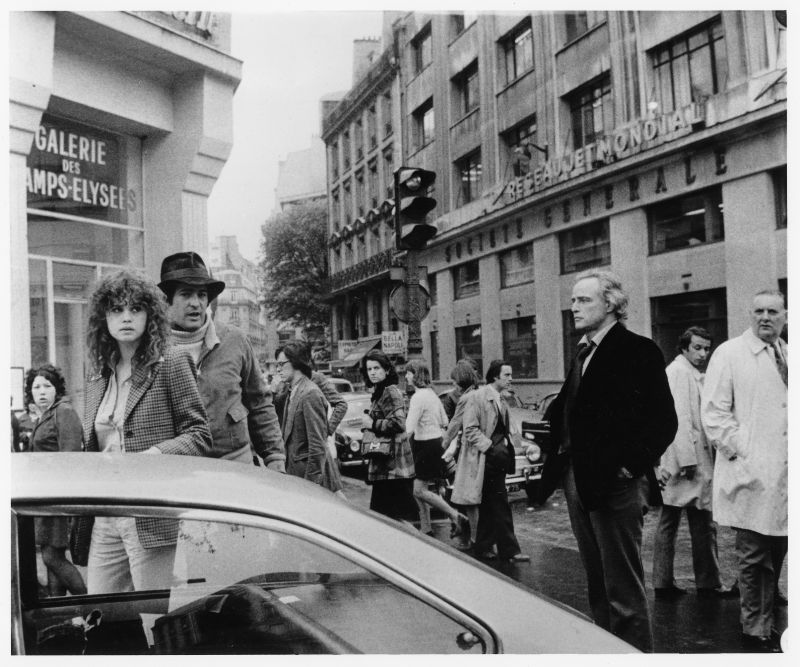
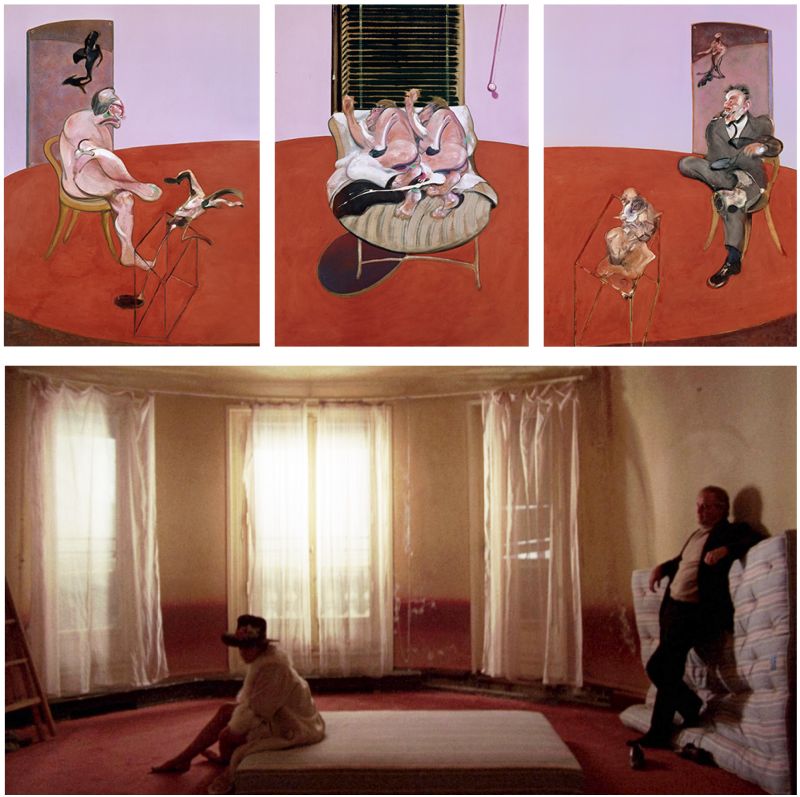
During pre-production, the director spent three weeks visiting the actor at his home on Mulholland Drive every day, and they barely talked about the film. They had found common ground they both knew well. From there, it was only natural that Bertolucci should draw inspiration from Surrealism, from Cocteau and his Orpheus… and, fundamentally, from Bataille’sBlue of Noon… from his conception of eroticism and death. The bodily aesthetic and composition of the shots evoke the paintings of Bacon. Nor should we forget Gato Barbieri’s music, which structures the film’s emotional experience. The colours and light created by Vittorio Storaro remain iconic. Understanding these influences allows us to read the film at a much deeper level.”
Beauty and Pain
There is beauty and there is pain in Last Tango in Paris. Do we have the right to enjoy the film knowing how it was made?
“That is a major question, and one to which I offer more than one answer in the book, depending on who we are as people and as viewers. For example, Vanessa Schneider, author of My Cousin Maria Schneider, has never wanted to see the film, although she has written about it. The central question is who bears the cost of that supposed artistic achievement and who is excluded from the decision-making process. The book offers neither automatic absolution nor condemnation; it offers analysis.”
You discuss fundamental references in European culture, and your book also refers to numerous films that shaped the cinema of the 1970s and are now considered classics, including little-known but illuminating details about an era and a particular way of making films. Who is the book intended for? For cinephiles?
“For readers interested in cinema, but also in cultural history and contemporary debates surrounding art, ethics and feminism. It is not an academic book in the strict sense, but it is rigorous and illuminating. The context provides crucial insight into a period when both cinema and society were undergoing profound transformation.”
I insist that it is a remarkably fluid read, considering the amount of information you provide to the reader.
“Fluidity is essential. I have always been fascinated by the style of Peter Biskind, for example. I consider him an exemplary writer, capable of painting a complete picture through what may seem like mere facts and anecdotes. But it is the way he structures his essays that makes reading them both a pleasure and a learning experience. Exhaustive, scholarly film analyses are extremely interesting, but primarily for academia. My ideal reader is much broader, and my aim is not simply to examine how this film works, but how it interacts with society.”
And what reaction do you hope to elicit from readers?
“I would like them to feel that, after enjoying the book, they have acquired the tools to form an informed opinion—even an uncomfortable one, if that is where the evidence leads them. Above all, I would like them to understand why this film continues to generate friction half a century later.”
The conversation with the author confirms that Last Tango in Paris: A Scandal Between Two Centuries is not a book written to settle a controversy, but rather to examine it with rigour. Her precise knowledge of the facts, her command of historical, legal and cultural sources, and her refusal to retreat into comfortable or anachronistic positions place the book in relatively uncommon territory: that of the essay that unsettles precisely because it demands nuance.
Read today, the book offers more than a reassessment of a celebrated film; it proposes a broader reflection on the limits of art, the responsibility of the author and the vulnerability of cultural institutions when confronted with controversy. In this sense, it is not merely a publishing event, but an invitation to critically reconsider how we construct memory, judgement and canon in the history of cinema.
Nadie ha publicado ningún comentario aún. ¡Se tú la primera persona!
Estamos utilizando cookies para darle la mejor experiencia en nuestro sitio web. Puede encontrar más información sobre qué cookies estamos utilizando o desactivarlas en configuración.

Nadie ha publicado ningún comentario aún. ¡Se tú la primera persona!