


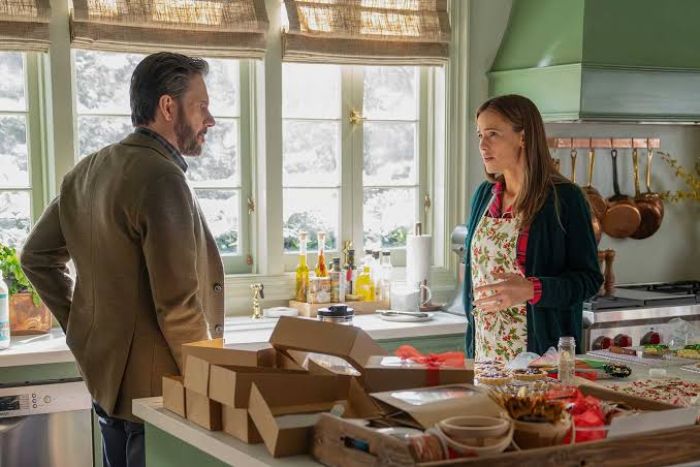
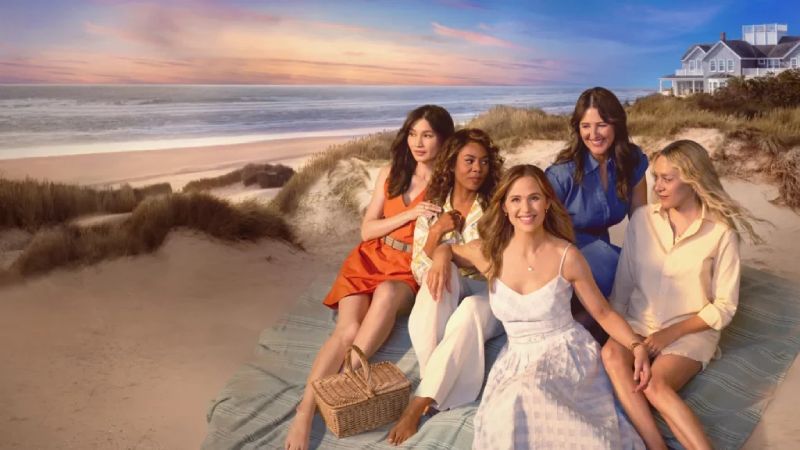
Television has become increasingly fascinated with female friendships in recent years, but The Five Star Weekend arrives with a slightly different proposition. Adapted from Elin Hilderbrand’s bestselling novel and developed by Bekah Brunstetter, the Peacock series combines emotional melodrama, coastal escapism and an ensemble of women navigating middle age, motherhood, desire and grief. Set against the idyllic backdrop of Nantucket, it follows Hollis Shaw (Jennifer Garner), a beloved food influencer whose carefully curated life begins to unravel after a devastating personal loss. Seeking connection and perhaps a form of healing, she gathers four friends from different stages of her life for an unforgettable weekend.
During the series’ presentation, attended by Jennifer Garner and Chloë Sevigny alongside Gemma Chan and D’Arcy Carden, on Wednesday, July 8th., it became clear that beneath the glossy surfaces and picturesque scenery lies a story deeply interested in emotional truths and the complexity of long-term relationships.
Female friendship at the centre
One of the first topics raised during the press conference concerned the growing popularity of stories centred on women and friendship. Jennifer Garner offered a simple but revealing answer: these stories resonate because women have always relied on one another. “We have been in villages together,” she remarked, emphasising that female communities are not a modern invention but something almost evolutionary.
The Five Star Weekend explores precisely this idea. Friendships are not presented as static or idealised relationships but as living entities that evolve, deteriorate and occasionally require rebuilding. Unlike romantic relationships, friendships often exist outside conventional narratives, which gives storytellers greater freedom to explore unresolved tensions, old wounds and personal reinventions.
The premise itself is irresistible. Inviting friends from different decades of one’s life means confronting different versions of oneself. Childhood friends remember who we once were, college friends know our ambitions, while more recent acquaintances often meet the carefully edited persona we have chosen to present. In bringing these worlds together, the series creates fertile ground for conflict and revelation.
Jennifer Garner and the many faces of grief
At the emotional centre of the series stands Jennifer Garner’s Hollis Shaw. Although marketed as a food influencer and lifestyle icon, Hollis is fundamentally a woman in mourning. Garner repeatedly stressed that one of the greatest challenges of portraying the character was showing someone who actively avoids grief rather than openly surrendering to it.
“Hollis is trying to distract herself, to make things beautiful instead of feeling what she really needs to feel,” Garner explained. Yet grief, she added, always remains just beneath the surface.
In many ways, The Five Star Weekend is not merely about grief but about emotional avoidance and the cost of refusing to engage with uncomfortable truths.
This duality appears to define the tone of the series. Hollis throws herself into organising the perfect gathering, embracing luxury, gastronomy and friendship with almost euphoric enthusiasm, while internally she remains deeply fractured. It is a familiar modern phenomenon: the impulse to continue performing happiness while privately struggling.
Garner also highlighted another key aspect of Hollis’s journey: her inability to confront difficult conversations. Whether with her husband or her daughter, Hollis consistently avoids conflict, preferring politeness and emotional distance. According to the actress, this avoidance becomes the character’s “fatal flaw.”
In many ways, The Five Star Weekend is not merely about grief but about emotional avoidance and the cost of refusing to engage with uncomfortable truths.
Imperfect women and moral ambiguity
One of the series’ most attractive elements is its refusal to create easily categorised characters. Chloë Sevigny, who plays the sharp-tongued Tatum, expressed her longstanding attraction to flawed women who do not conform to conventional expectations of likability.
Sevigny admitted that she was drawn less by her own role than by the ensemble itself, remarking that every viewer would likely recognise something of themselves in one or several of these women.
This refusal to simplify female characters extends to Gemma Chan’s Gigi, whom the actress described as someone who could easily have become “the villain” in another version of the story. However, both Brunstetter and Hilderbrand were determined to avoid such simplistic portrayals. Gigi may be messy and flawed, but she remains profoundly human.
This nuance feels particularly refreshing. Television has increasingly embraced morally complex female characters, but The Five Star Weekend seems less interested in creating anti-heroines than in exploring the contradictions that define real women: generosity and selfishness, loyalty and resentment, confidence and vulnerability.
Nantucket as emotional landscape
The setting itself deserves special attention. Nantucket has long occupied a privileged place in the American imagination, embodying coastal elegance, summer nostalgia and a particular form of East Coast privilege. Yet the island becomes far more than a postcard backdrop.
The cast repeatedly spoke about falling in love with Nantucket during filming. Garner enthusiastically discussed her repeated visits to the island’s whaling museum, while D’Arcy Carden recalled cycling around the island and “eating their way through” its restaurants and beaches.
Like many great television settings, Nantucket functions almost as another character. Its beauty creates an atmosphere of escapism that contrasts sharply with the emotional turmoil experienced by the protagonists. The luxurious houses, endless beaches and exquisite food become visual representations of lives that appear perfect from the outside yet conceal profound dissatisfaction and unresolved pain.
This tension between appearance and reality lies at the heart of the series.
Food as love language
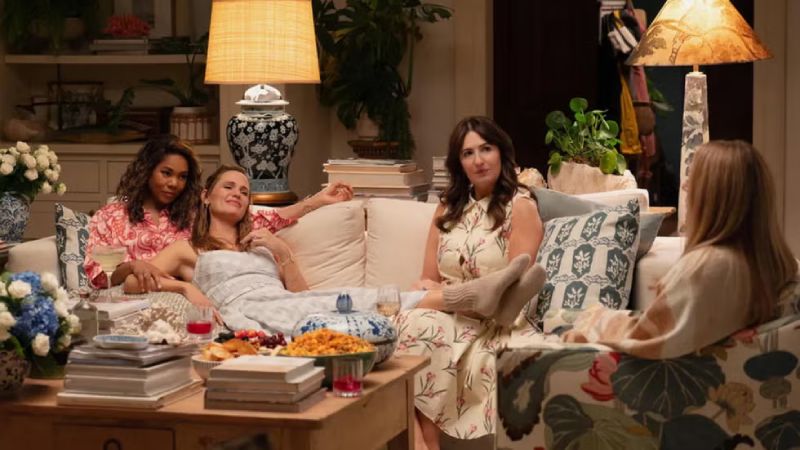
It is impossible to discuss The Five Star Weekend without mentioning food. Hollis’s identity as a culinary influencer naturally places gastronomy at the centre of the narrative, but food also acquires symbolic significance. “Food is my love language,” Gemma Chan remarked during the press conference.
The cast’s recollections of oysters, sandwiches, ice cream and shared meals reveal how food functions within the series: as comfort, memory and connection. Food becomes a means of expressing affection, creating community and preserving traditions.
The series appears interested in exploring the emotional dimensions behind food culture: nourishment, hospitality and care.
Jennifer Garner herself shares this culinary enthusiasm. During the presentation, she even offered a detailed recipe for homemade chocolate magic shell, demonstrating that the boundary between actress and character may not be particularly wide.
In a culture increasingly dominated by curated images of perfection, the series appears interested in exploring the emotional dimensions behind food culture: nourishment, hospitality and care.
A rare female-led production
Beyond its narrative themes, The Five Star Weekend also represents an important industrial achievement.
The cast repeatedly highlighted the unusual experience of working on a production largely shaped by women. According to Gemma Chan, having five women at the centre of the story was already uncommon, but the project also benefited from female writers, producers and directors.
Importantly, Jennifer Garner insisted that this was never a matter of tokenism. The women involved were not chosen to fulfil a quota but because they were, in her words, “the best people for the jobs.”
The atmosphere created by this collaborative environment seems to have profoundly influenced the production. Both Sevigny and Carden praised Garner’s leadership, emphasising her generosity and ability to make everyone feel heard and valued.
Interestingly, Regina Hall, although absent from the press conference, was repeatedly mentioned by her co-stars, who described her as the group’s source of humour and energy during filming. The affection expressed towards Hall suggested that the chemistry visible on screen may genuinely reflect the relationships developed behind the scenes.
The challenge of maintaining friendships
Perhaps the series’ most universal theme concerns the fragility of long-term friendships.
Several members of the cast reflected on how increasingly difficult it becomes to maintain meaningful relationships as life progresses. Careers, children and geographical distance inevitably create separation.
Chloë Sevigny spoke candidly about becoming a mother at forty-five and how motherhood disrupted her social life, leading her to repeatedly promise herself that she would prioritise friendships.
Gemma Chan offered perhaps the most touching reflection of the afternoon, suggesting that lasting friendships require grace and forgiveness. Time may pass and people may drift apart, but there is never a wrong moment to pick up the phone and reconnect.
Perhaps the series’ most universal theme concerns the fragility of long-term friendships.
This idea appears central to The Five Star Weekend. Friendship is not presented as effortless but as something requiring intention and care. Like romantic relationships, friendships demand maintenance and occasionally need to be rebuilt.
Escapism with emotional substance
At first glance, The Five Star Weekend might seem like pure summer escapism: beautiful women, luxurious houses, gourmet food and breathtaking coastal scenery.
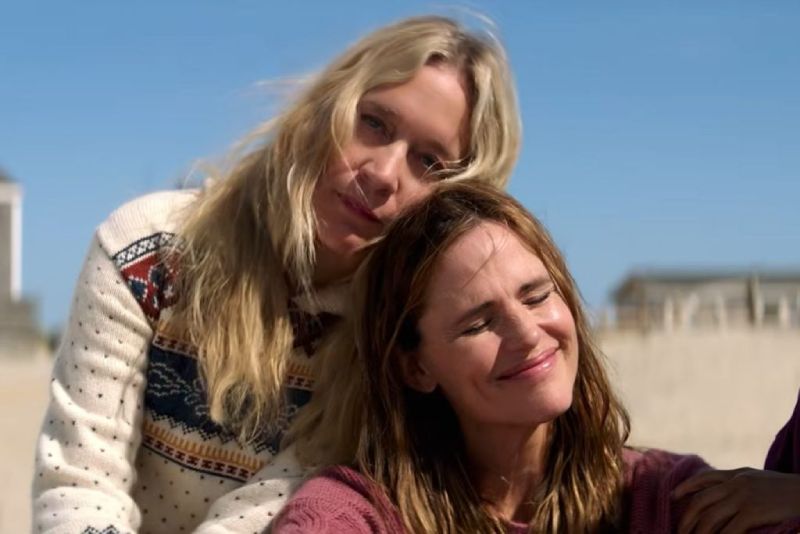
Yet the cast repeatedly emphasised the emotional depth underlying the series. Chloë Sevigny admitted that one of the most interesting challenges was finding the right tone, balancing humour and playfulness with emotional authenticity.
This combination may ultimately become the show’s greatest strength. It offers viewers the pleasures of escapist television while remaining grounded in recognisable emotional experiences: grief, loneliness, regret, ageing, motherhood and the desire for reinvention.
Like the best beach reads, Hilderbrand’s story appears capable of combining entertainment with genuine emotional insight.
The Five Star Weekend looks towards the future
Although no official second season has yet been announced, the cast enthusiastically imagined future adventures for their characters, suggesting destinations such as Italy, Greece, Mexico and the South of France.
More importantly, they emphasised that all the characters have entered new chapters in their lives. Hollis is finally ready to grow, Tatum may discover unexpected leadership qualities and Brooke has only begun to explore newly discovered aspects of herself.
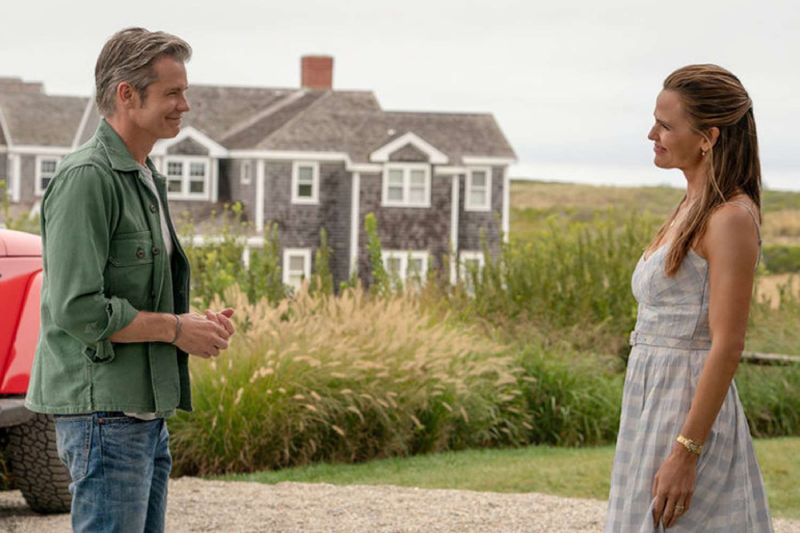
This openness perhaps explains why the story feels so compelling. The Five Star Weekend is ultimately about possibility. It asks whether reinvention remains possible later in life, whether friendships can survive disappointment and whether grief can coexist with joy. The answer seems to be yes.
In an era increasingly fascinated by stories of female solidarity and emotional complexity, The Five Star Weekend arrives at precisely the right moment. It understands that friendship can be as dramatic, transformative and consequential as any romance. And while its luxurious setting may invite comparisons to other glossy ensemble dramas, its true interest lies elsewhere: in the messy, imperfect and profoundly human connections that continue to shape us throughout our lives.
Beneath the oysters, elegant dinners and Nantucket sunsets lies a deceptively simple idea: sometimes the people who know us best are also the people who force us to confront who we have become. And occasionally, that confrontation can change everything.
The Five Star Weekend premiered on 9 July and is now available to stream on Prime Video.

Nadie ha publicado ningún comentario aún. ¡Se tú la primera persona!