



The Electric Kiss, by Pierre Salvadori, unfortunately confirms a long-standing tradition. With only a few exceptions, the opening film of the Festival de Cannes tends to function as a strange inverted preview of the festival itself: it rarely represents the most daring, innovative or cinematically stimulating work in the programme, and instead seems to respond more to industrial, diplomatic or strategic balances than to a genuine artistic statement. Aside from exceptions such as Mark Cousins’ remarkable documentary The Story of Film: A New Generation (2021)during the post-COVID edition, the opening screening usually marks a modest starting point from which the festival can only improve.
Set in Paris in the 1920s, within the decadent universe of a travelling fairground that at times seems lifted straight out of Nightmare Alley, the film blends spiritualism, romantic melodrama and screwball comedy into a plot driven by false identities, manipulation and intersecting ambitions. The project, directed by Salvadori — who himself appeared in Planetarium, another film centred on mediums and spiritualists — originated from an idea by Rebecca Zlotowski (Vie privée) and Robin Campillo (BPM), both Cannes regulars. Yet what, in other hands, might have evolved into fantastical melancholy or bitter satire is here reduced to an extremely conventional narrative.
Suzanne (Anaïs Demoustier) is the “Venus Electrificata,” a young woman exploited by the fairground showman who bought her from her father and who, through a hidden trick, offers the paying audience the experience of an “electric kiss” for a few coins. The character probably contains the film’s most interesting dimension: her physical and emotional suffering, her condition as a commodity and the daily humiliation she endures could have sustained a much darker reflection on exploitation and desire. But the film continuously opts for lightness instead.

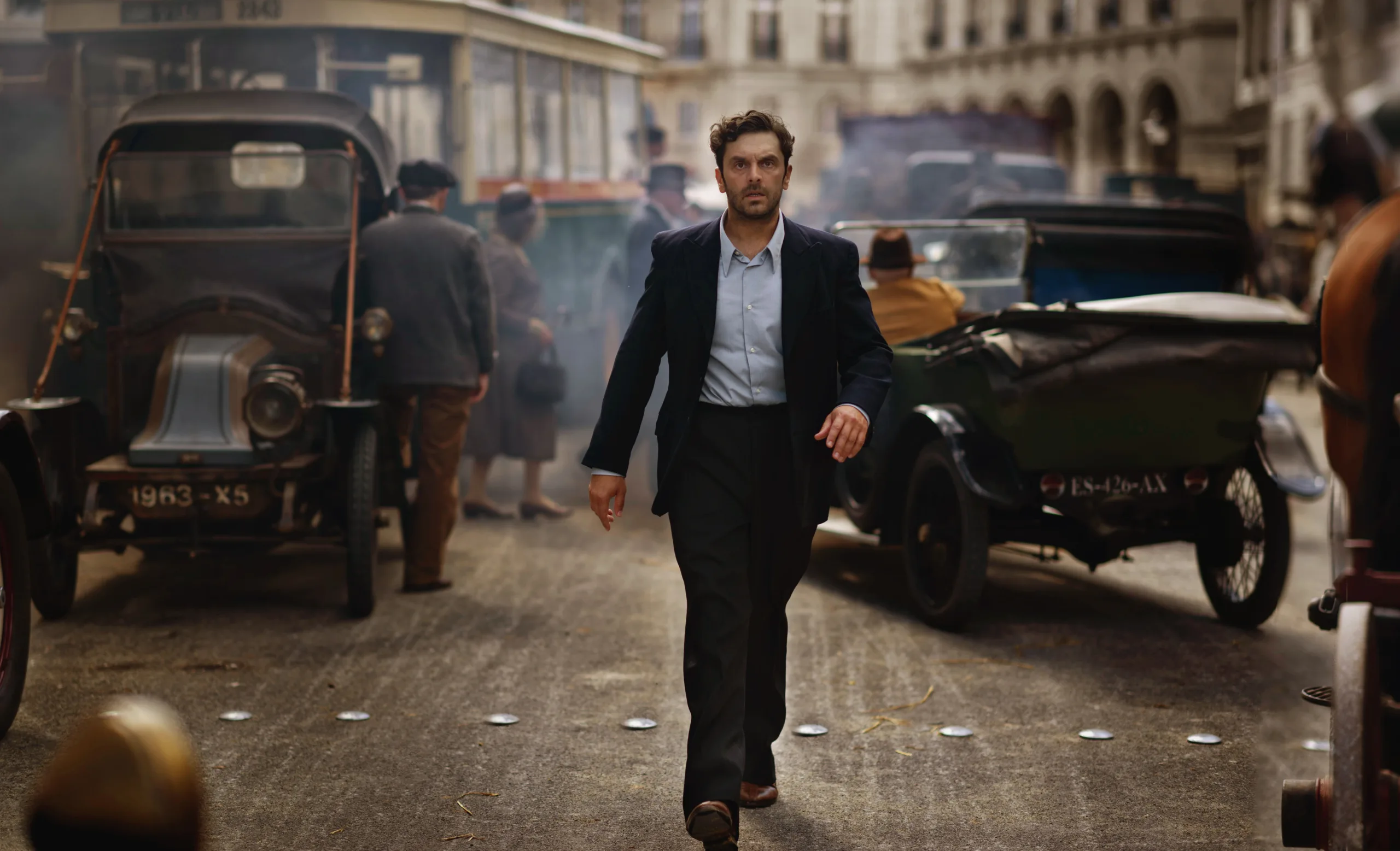
When Suzanne impersonates Claudia, a fraudulent clairvoyant, Antoine (Pio Marmaï) enters the story: an alcoholic painter devastated by guilt and by the loss of Irène (Vimala Pons), the woman who helped launch his artistic career. Around him gravitate false friends, hidden interests and layers of spiritualist deception — the fake medium replaced by one even more fraudulent — within a machinery of misunderstandings that eventually unfolds into a love story with echoes of Romeo and Juliet, where appearances constantly deceive. Gilles Lellouche plays Armand, a manipulative gallery owner and the principal instigator behind the various schemes.
Lightness risks becoming mere elegant emptiness, craftsmanship without real substance.
The entire cast of The Electric Kiss does everything possible within a comic register that, both in form and essence, seems to belong to another era. The narrative, dramatic development and resolutions could hardly be more traditional. And yet lightness is never simple. Constructing a good film that appears to float effortlessly with the grace of a sophisticated comedy of manners is something only exceptional filmmakers can achieve — whether their names are Ernst Lubitsch or Woody Allen. In every other case, lightness risks becoming little more than elegant emptiness, technical competence devoid of genuine substance.
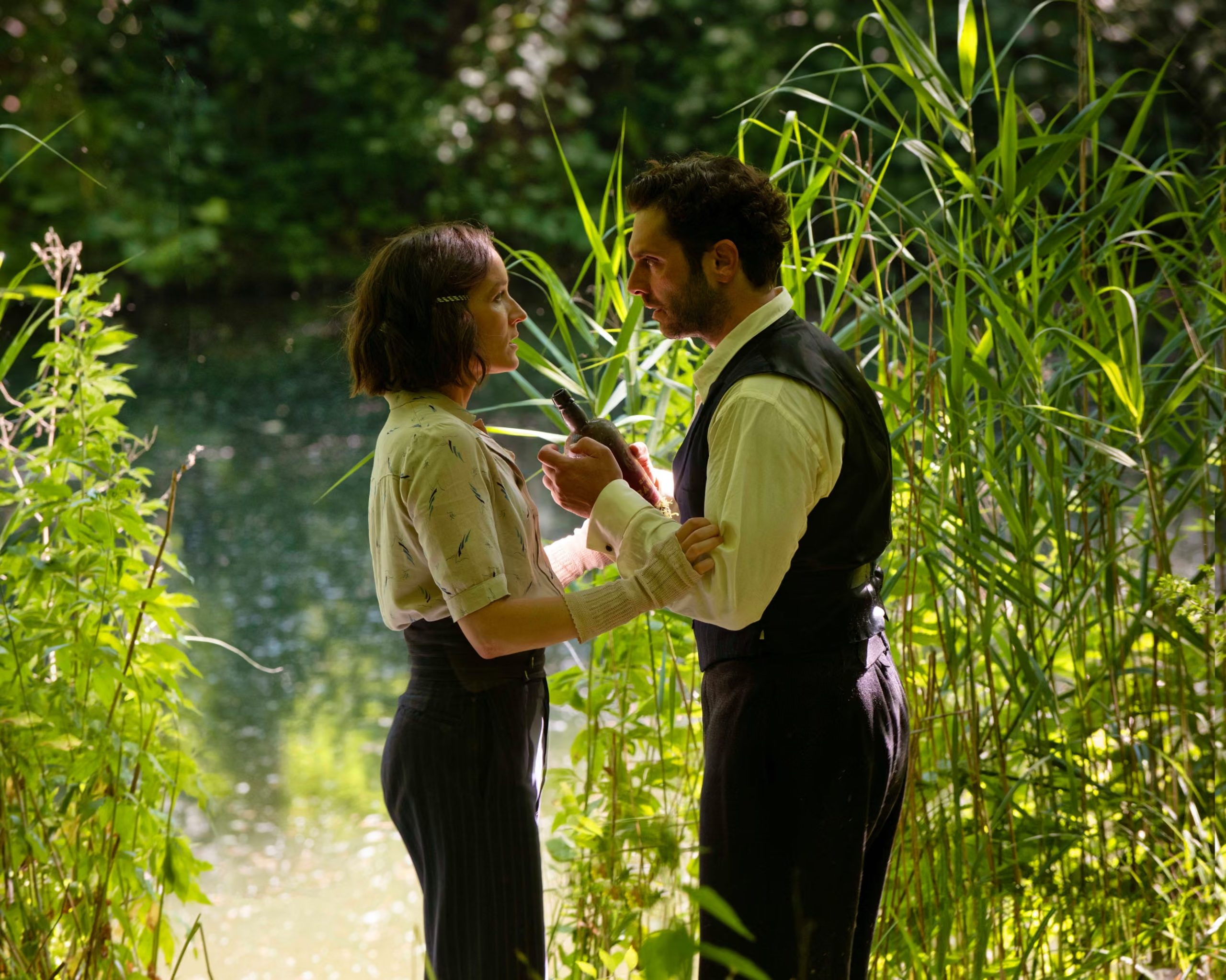
That is precisely what ultimately happens in The Electric Kiss. The film wastes much of the dramatic potential of Suzanne and Irène, the two most complex and vulnerable female characters in the story, while the male characters remain far flatter and more predictable. Hunger — both literal and symbolic — for love, freedom, recognition and personal fulfilment drives both women toward deception, sacrifice or the abyss, yet the film never fully embraces the emotional darkness of that conflict. Everything is softened by the light tone and by a mise-en-scène that constantly seems afraid to delve too deeply into its own wounds.
The final result is a competent entertainment, occasionally charming and visually refined, but also a film in which any deeper ambition seems to have been lost along the way. Cannes thus once again misses the opportunity to open with a true statement of cinematic risk or modernity, opting instead for an elegant artifice whose very lightness ultimately becomes limiting.



Nadie ha publicado ningún comentario aún. ¡Se tú la primera persona!