
The 79th edition of the Festival de Cannes is historic for Spanish cinema: for the first time, three Spanish films will compete for the Palme d’Or in the Official Competition. A milestone that comes after years of turbulence between Spain and the world’s greatest film festival, whose relationship —from the scandal surrounding Viridiana during the Franco dictatorship to the recent controversy involving Víctor Erice— has not always been a smooth one.
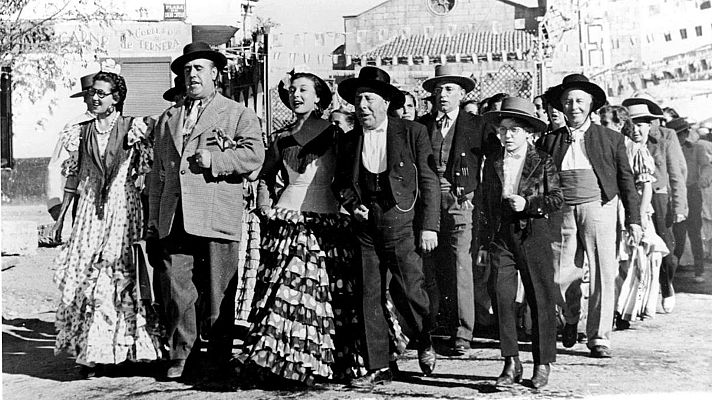
Bienvenido, Mister Marshall (Luis García Berlanga,1953)
But Edward G. Robinson, a member of the jury that year, disliked both the affront to the flag and Berlanga’s irony in a film he described as “anti-American.” History has never fully clarified whether the reaction of the actor who created cinema’s gangster archetype stemmed from genuine patriotism or was simply a way of protecting himself amid his troubles with McCarthyism. In any case, the scandal was inevitable, and Spanish censorship ultimately removed an image that, more than seventy years later, retains all of its power — perhaps more than ever.
1961: A Palme d’Or for a Blasphemous Last Supper
The year 1961 marked a turning point for Spanish cinema in Cannes with Viridiana, a Spanish-Mexican production directed by Luis Buñuel, which became the first —and still the only— Spanish Palme d’Or winner, ex aequo with Une aussi longue absence by Henri Colpi.
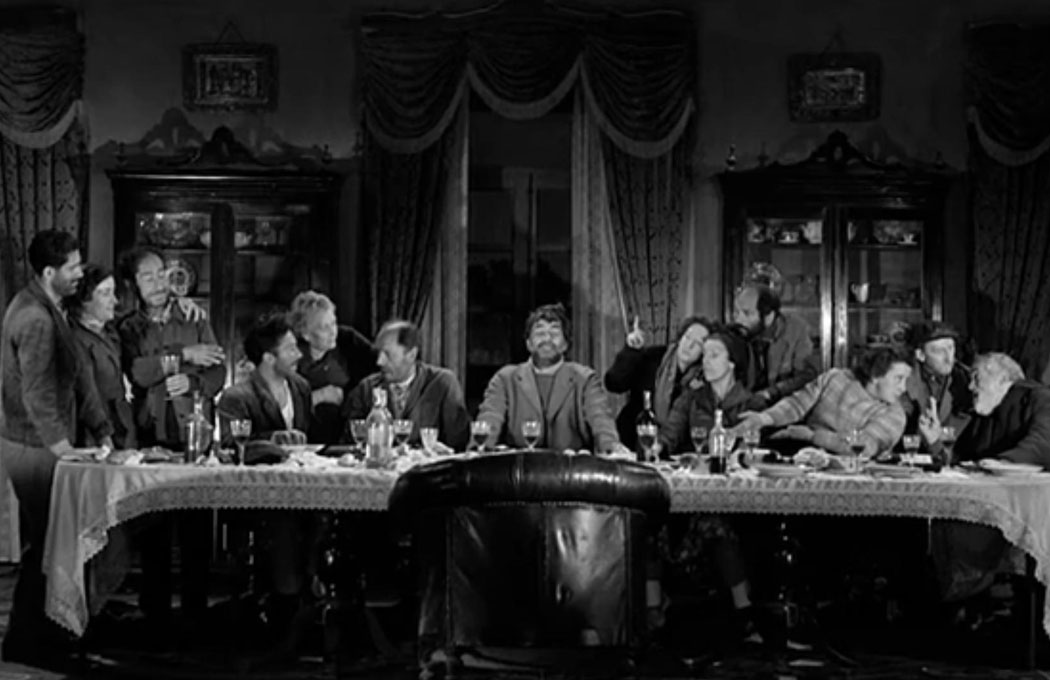
Viridiana (Luis Buñuel, 1961).
El escándalo fue mayúsculo y forzó la dimisión del entonces director general de Cinematografía franquista, José María Muñoz Fontán. Pasaron los años y Viridiana no se pudo estrenar en España hasta 1977, dos años después de la muerte de Franco y 16 después de su premio en Cannes.
2023: Cannes cierra los ojos a Erice
En 2023, Víctor Erice (cuyo Sol del membrillo había obtenido el premio del jurado en 1992) volvió a Cannes con Cerrar los ojos, su primer largometraje en más de 30 años. Poco antes del festival, al descubrir que su película se proyectaría fuera de concurso, dejándola sin posibilidad de Palma de Oro, publicó una carta abierta en la prensa denunciando la «falta de diálogo» con Cannes y decidió no acudir.
The scandal was enormous and forced the resignation of the Franco regime’s Director General of Cinematography, José María Muñoz Fontán. Years passed, and Viridiana could not be released in Spain until 1977, two years after Franco’s death and sixteen years after winning the Palme d’Or in Cannes.
2023: Cannes Turns a Blind Eye to Erice
In 2023, Víctor Erice — whose El sol del membrillo had won the Jury Prize in 1992 — returned to Cannes with Close Your Eyes, his first feature film in more than thirty years. Shortly before the festival, upon discovering that his film would screen out of competition, leaving it ineligible for the Palme d’Or, he published an open letter in the press denouncing the “lack of dialogue” with Cannes and decided not to attend.
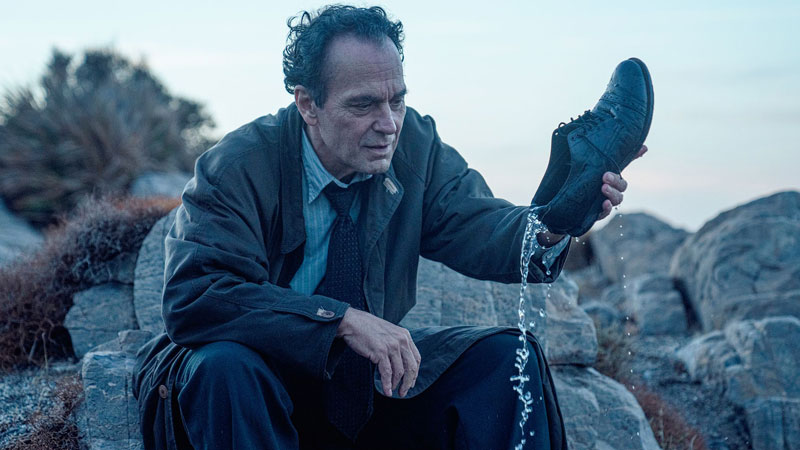
Close Your Eyes (Víctor Erice, 2023).
Despite the “surprise” expressed by the festival’s organizers and the absence of the legendary director of El espíritu de la colmena from the theatre, the screening of this meditation on the passage of time and the labyrinths of memory in the vast and overcrowded Louis Lumière auditorium was met with sustained applause. Yet another misunderstanding —some would say slight— between Spanish cinema and the world’s most prestigious film festival, which in 2026 finally has a unique opportunity to recognize it as it deserves.



Nadie ha publicado ningún comentario aún. ¡Se tú la primera persona!