
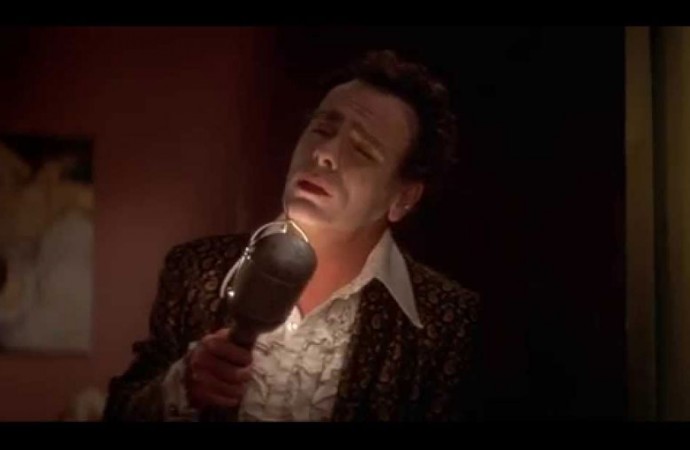
Lessons learned at David Lynch’s jukebox: the United States is a country that needs sugar-coated songs to sleep soundly. Lush, fifties-scented ballads that disguise the ugliness of a sick world and invite us to long for it—and perhaps to keep believing in the American Dream. Because the day the fireman doesn’t greet you as he passes by, you might wake up and notice the stench your neighborhood gives off.
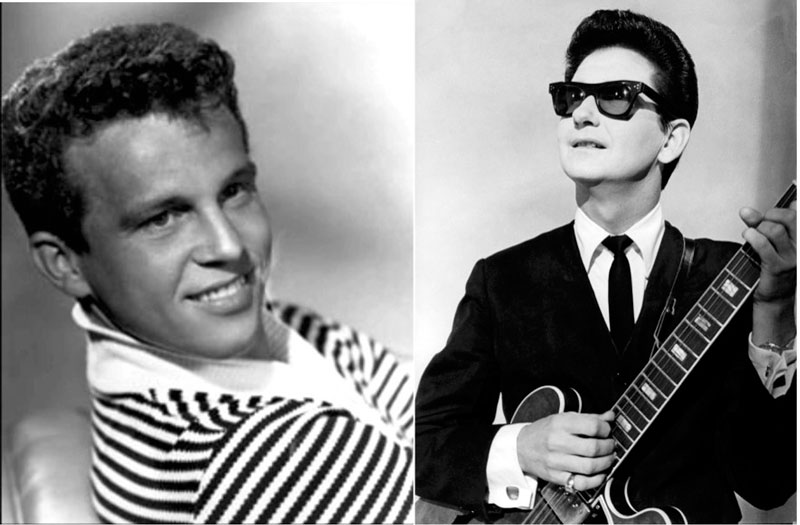
Ever since I started this blog, I knew Blue Velvet would come up sooner or later. What I didn’t know was which song I would stumble upon. The entire score—courtesy of Angelo Badalamenti—skirts the sublime (unforgettable from the Bernard Herrmann–inspired opening credits over blue drapery). Julee Cruise’s contribution borders on hallucination (Mysteries of Love: birds sing, clouds lift). And the rediscovery of Ketty Lester (Love Letters) is the sweetest stab in the back. But there are two songs that achieve eternity thanks to Lynch’s use of them, even though they were already well known: “Blue Velvet” by Bobby Vinton and “In Dreams” by Roy Orbison. Faced with the dilemma of choosing just one, I’ll take the middle road: I’ll keep both.
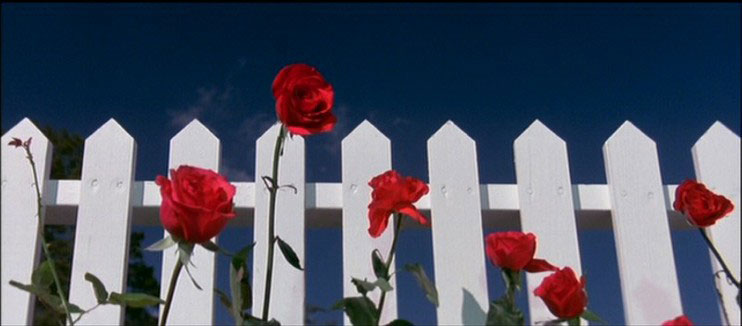
“Blue Velvet”, the song, is a romance lacquered by Bobby Vinton in 1963, based on an original piece by Tony Bennett from 1951. A true distillation of melancholy into caramel form, which Lynch subverts through hyperbole and artifice: the melody accompanies images so excessively dreamlike, so placid, so life is beautiful that they end up meaning the opposite. Especially when a stroke nearly wipes out the respectable neighbor watering his front yard, and the camera descends to ground level to reveal that beneath this green carpet lies an entirely different model of life: insects, filth, and darkness.
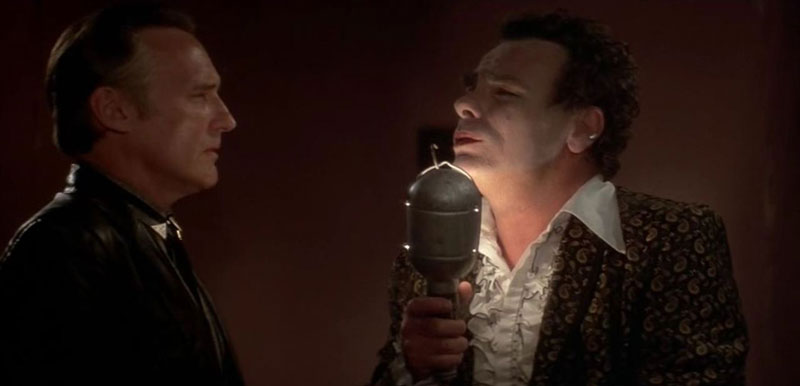
On the other hand, “In Dreams,” also from 1963, becomes the excuse for what is possibly the greatest playback scene in film history (yes, stated plainly—long live maximalism). A haunting, half-dreaming ballad that, from its very lyrics, slips quietly into the realm of the oneiric. In the grotesque pantomime performed by Dean Stockwell’s character—for the delight of criminals and the discomfort of the abducted—Orbison’s song takes on another dimension: it becomes a ticket into the heart of the monster.
Between breaths of oxygen, this composition triggers something in Dennis Hopper, revealing the killer’s human side—as if it summoned distant memories from a time before he had been taken over by the bogeyman. Lynch himself, fully aware of the winning combination of his cinema with the music of Roy Orbison, paid tribute to it years later with another a cappella playback at Club Silencio in Mulholland Drive: “Llorando”, sung by Rebekah Del Rio. Another tasting of unreality from a director who always makes films from the other side.

Nadie ha publicado ningún comentario aún. ¡Se tú la primera persona!