

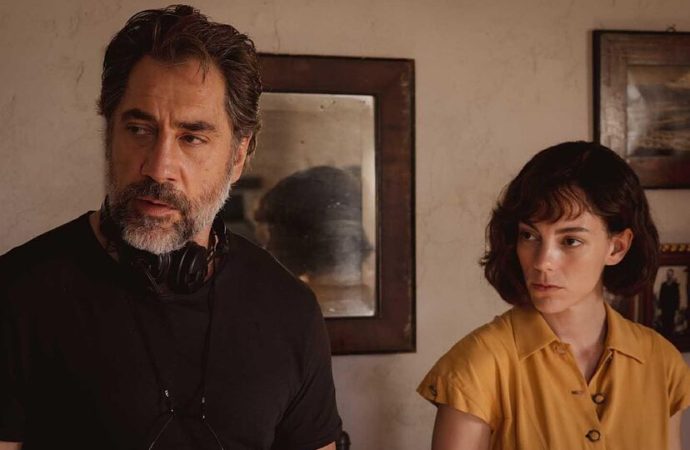

The Beloved (El ser querido, 2026), by Rodrigo Sorogoyen, shook audiences at the 79th edition of the Festival de Cannes with its extraordinary ability to emotionally tighten every scene, as well as with its maturity in approaching a more intimate and devastating territory: filial abandonment, guilt and the impossible desire to continue being loved by the person who hurt us. Following the impact and endless standing ovation for As bestas — presented out of competition in Cannes in 2022 — Sorogoyen, who was nominated for an Academy Award in 2019 for his short film Madre, returns to the festival with a sober and ferocious film, written alongside his regular collaborator Isabel Peña, in which emotional conflict acquires an almost unbearable density.
The premise revolves around the return to Spain of Esteban Martínez (Javier Bardem), an internationally acclaimed Spanish filmmaker who comes back to shoot a new movie and offers the lead role to Emilia (Victoria Luengo), a soap opera actress and waitress who is also the daughter he abandoned as a child and has not seen for thirteen years. She accepts, fully aware that the shoot will force her to finally confront a man she has never truly been able to regard as a father. But Sorogoyen transforms that premise into an emotional minefield built from resentment, pride, open wounds and a devastating inability to communicate.

The film opens with one of the most masterful sequences in recent cinema. Sorogoyen pushes his conception of emotional realism to the extreme, as he himself explained: five cameras filming simultaneously, a single uninterrupted take lasting an hour and a half, without cuts or interruptions, and barely ten pages of mandatory dialogue from which the actors were free to improvise. The director later explained that a second take would have destroyed what he was trying to capture: the unrepeatable anxiety of a reunion between an abandoned daughter and a father from whom she has no idea what to expect after thirteen years. The result possesses extraordinary force. The scene evolves from initial discomfort into a genuine knot in the throat as both characters gradually approach the emotional abyss opened by abandonment. The close-ups are literally chilling: silences, micro-gestures, evasive or sustained gazes contain more emotional information than any dialogue could. Thus, when Emilia switches from beer to wine, there is no turning back: she has unsheathed not only her anxiety, but also her resentment.
In one of those unrepeatable moments born from improvisation, Victoria Luengo spontaneously looks at Javier Bardem and says: “You are very handsome.” Sorogoyen has explained that it was a completely sincere reaction. And precisely there lies part of the miracle of the scene: the film understands that the conflict born from abandonment is never pure hatred. The residual desire for affection, the childlike need to continue being recognised or loved by the person who hurt us, survives even beneath layers of resentment and pride.
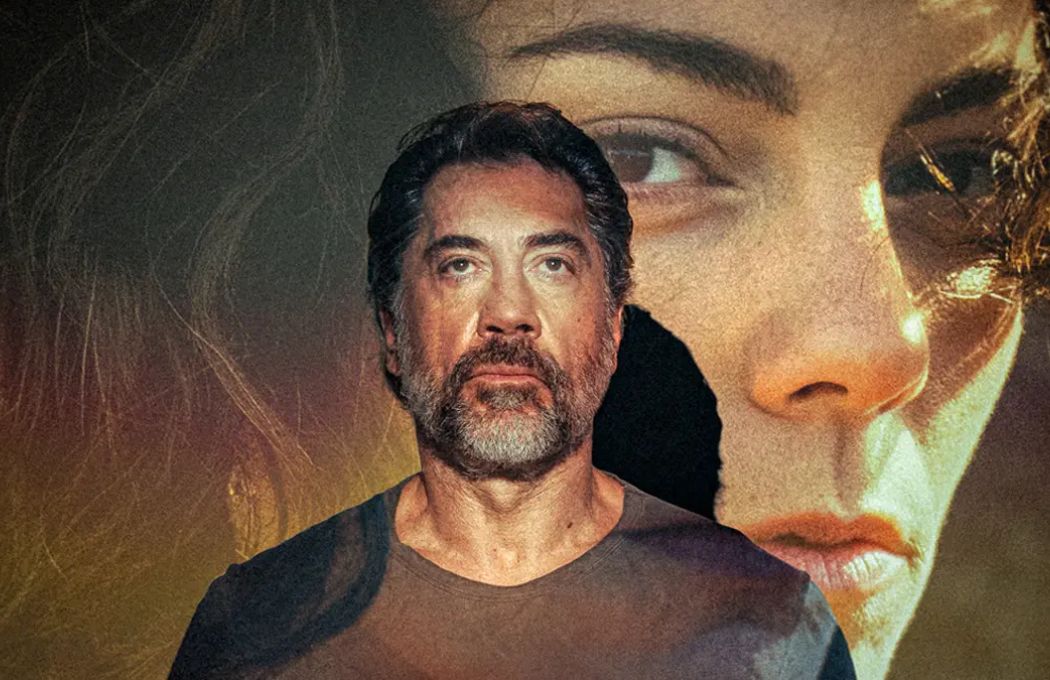
Facing the gigantic presence of Bardem, Victoria Luengo — nominated for the Goya Award for Suro, by Mikel Gurrea — sustains the film with astonishing strength. The two actors constantly confront each other in visual duels of enormous intensity, where glances and the slightest facial movements seem to render words unnecessary. Luengo simultaneously conveys toughness, the need for affection, wounded pride and emotional exhaustion. There is something profoundly physical in the way they observe one another: as if every conversation were a fight in which neither truly wishes to win.
The film shares certain emotional echoes with Sentimental Value by Joachim Trier, particularly in its exploration of family conflict after abandonment. But whereas Trier tends toward a more open and vulnerable emotionality, Sorogoyen opts for the austerity of the South: restrained tears, emotions swallowed until the point of saturation, silences in which pain slowly matures before finally exploding.
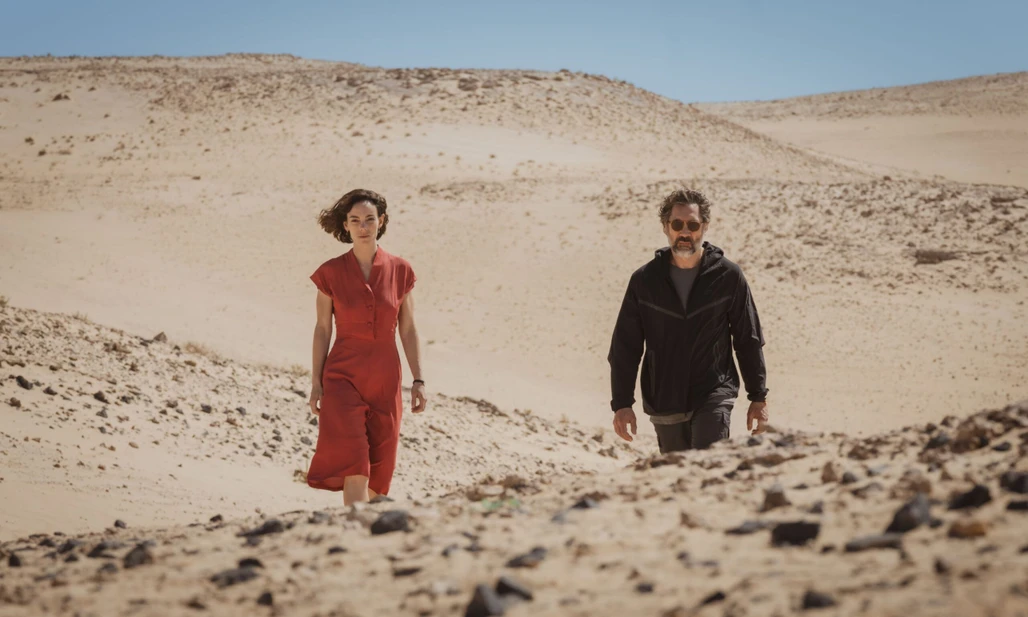
Raúl Arévalo and Marina Foïs —already present in As bestas— are also magnificent, integrated into a cast in which every character seems burdened by personal wounds and an uncomfortable awareness of what cannot be repaired.
Formally, Sorogoyen once again demonstrates exceptional mastery of tension and emotional space, aided as well by shifts in focus and transitions from colour to black and white. Every scene appears constructed upon a millimetric balance between control and explosion. The film advances by carefully rationing its revelations, its points of contact between fiction and real life, between the film-within-the-film and the family tragedy simmering beneath the surface. The central pair remain suspended on the tightrope of an unwanted reckoning, searching for balance despite emotional manipulation and the impossible search for repair.
The Beloved is painful and emotionally complex: a raw portrait of resentment, helplessness and the need to be loved.
Nadie ha publicado ningún comentario aún. ¡Se tú la primera persona!