
From 5 to 15 November, the 67th Thessaloniki International Film Festival will present a programme combining auteur cinema, emerging voices and retrospectives. Andrey Zvyagintsev and May el-Toukhy will open and close the festival, which will welcome prominent figures including Laura Mulvey, Oliver Laxe, Emin Alper and Fatih Akin, while exploring the desert as a cinematic landscape and the horror traditions of the Balkans.
The Festival will screen 258 films across its various venues and digital platform. Established as one of southeastern Europe’s leading film events, it once again combines the discovery of new talent with the presence of acclaimed filmmakers, retrospectives and activities devoted to exploring the language of cinema.
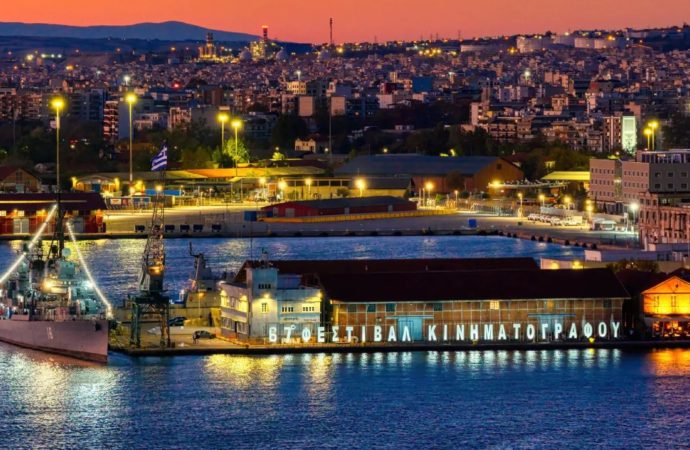
Screenings will take place at the Olympion and Pavlos Zannas cinemas, the port venues — Frida Liappa, Tonia Marketaki, John Cassavetes and Stavros Tornes — and the Makedonikon cinema. In addition, 58 films will be available online through the festival’s digital platform, broadening access to a programme that places particular emphasis this year on memory, identity and the realms of imagination.
From Zvyagintsev to May el-Toukhy: Two Major Films to Open and Close the Festival
The festival will open on 5 November with Minotaur, the latest film by Andrey Zvyagintsev, winner of the Grand Prix at Cannes. The Russian director, known for works such as Leviathan and Loveless, thus returns to the European festival circuit with a film already recognised at the prestigious French event.
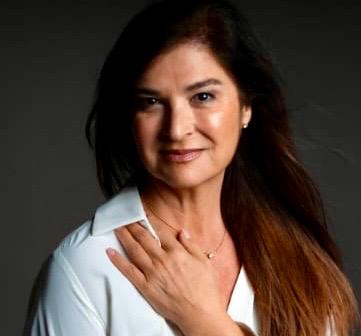
The closing film, on 15 November, will be Woman Unknown, directed by Danish filmmaker May el-Toukhy and winner of the Golden Lion at the Venice Film Festival. The director will attend Thessaloniki alongside her leading actress, Mathilde Arcel, who received the Volpi Cup for Best Actress at Venice.
The choice of these two films places internationally acclaimed auteur cinema at the beginning and end of the festival, while the rest of the programme embraces a wide range of aesthetic and narrative approaches.

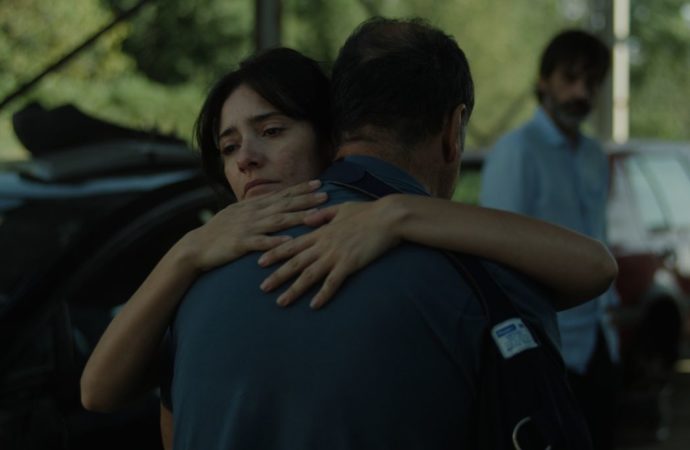
Minotaur (Andrey Zvyagintsev, 2026)
Ten Films in the International Competition
The International Competition will bring together ten feature films from Europe and the Americas, several of which have already received awards at other festivals.
Among the highlights is A Day in the Life of Jo: Chapter Phaedra, by Greek filmmaker Jacqueline Lentzou, winner of the Best Director Award in the Orizzonti section at Venice. Co-produced by Greece, Germany and France, the film explores a teenage girl’s emotional awakening through the small events of a transformative day.
Also competing are The Riverbank, by Brazilian filmmakers Enock Carvalho and Matheus Farias, which received the Special Jury Prize at Locarno, and A Whole Person Almost, by Efthimis Kosemund-Sanidis, who won the Best Director Award in the Proxima section at Karlovy Vary.
British director Louis Paxton will present The Incomer, winner of the NEXT Innovator Award at Sundance, while Konstantina Kotzamani will compete with Titanic Ocean, an international co-production that takes audiences to a Japanese school where teenage girls train to become professional mermaids.
The selection is completed by Too Many Beasts, by Sarah Arnold; Brave New Love, by Maria Bäck; Les Indes, by Pauline Julier and Nicolas Chapoulier; Stand Up, by Mari Sanders; and If I Go Will They Miss Me, by American filmmaker Walter Thompson-Hernández.
The geographical and stylistic diversity of these ten films reflects the festival’s commitment to bringing together different cinematic traditions and sensibilities, with particular attention to filmmakers exploring new forms of storytelling.

Woman Unknown (May el-Toukhy, 2026).
Oliver Laxe and the Desert as a Landscape of the Imagination
One of the central themes of this year’s edition will be the desert, the focus of the Welcome to the Desert retrospective, curated by Galician filmmaker Oliver Laxe, director of Sirāt.
Laxe will attend the festival as guest curator of a selection exploring the desert’s possibilities as a physical, spiritual and cinematic landscape. Far from being merely an empty space, the desert becomes a place where isolation, transformation, journeys and the search for meaning converge.
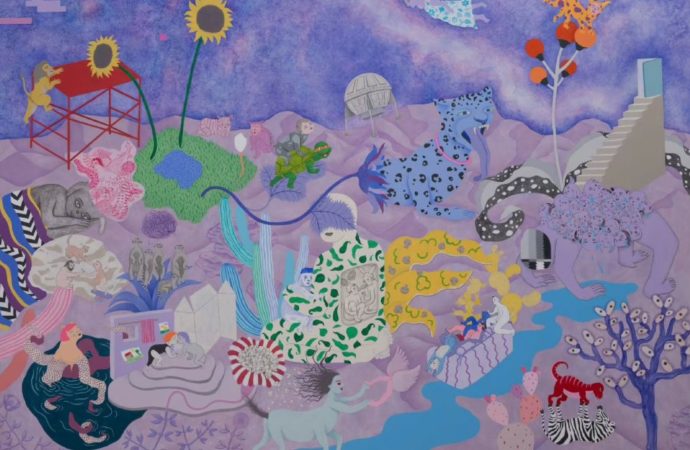
This theme also inspires the festival’s four official promotional films, directed by Stavros Markoulakis.
Conceived as fragments of a single narrative, the films depict four deserts associated with the elements of earth, water, air and fire, alongside four mythical creatures: Pegasus, the Gorgon, the Panther and the Phoenix.
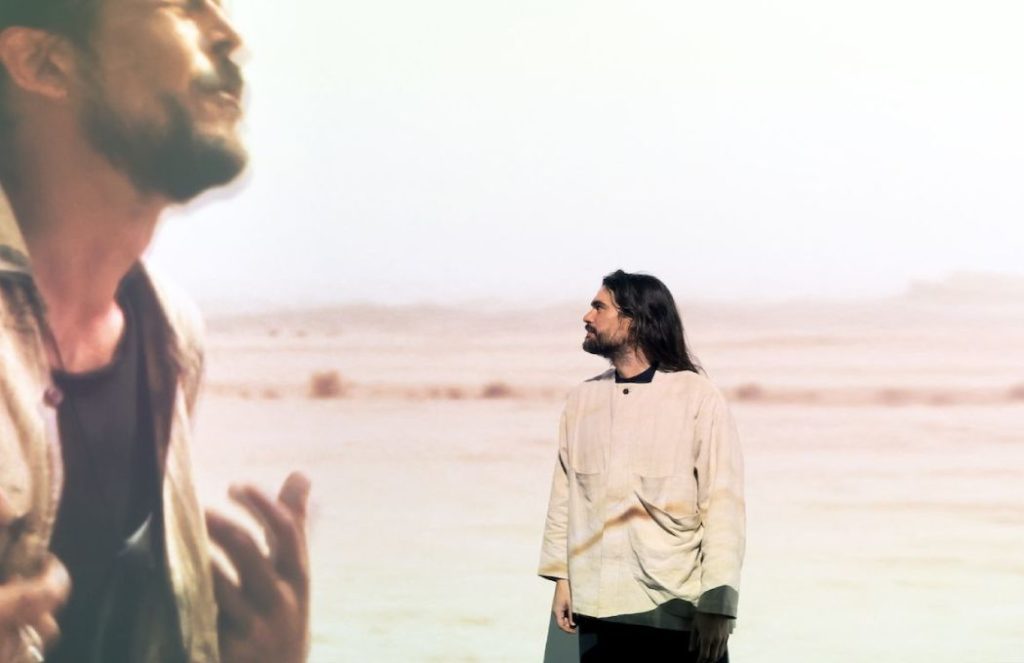
Under the title A Story of Celestial Bodies Floating Around the Sun in Four Phases, a Million Years Apart, these mythical creatures become the protagonists of a tale about celestial bodies that lose their way and reunite a million years later.
Memory, encounters and eternal return thus shape a visual narrative that extends the spirit of the retrospective beyond the cinema screen.
Laura Mulvey: Visual Pleasure and the Experience of Looking
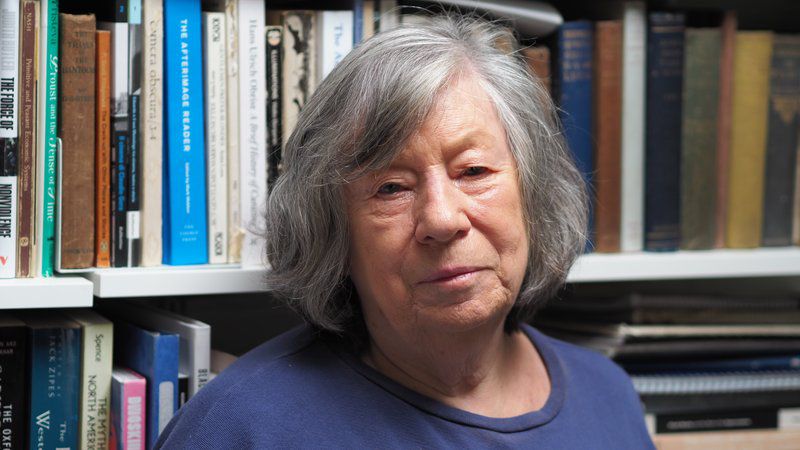
Among the most prominent guests at this year’s festival is Laura Mulvey, one of the most influential figures in contemporary film theory.
An academic, writer and filmmaker, Mulvey transformed the study of women’s representation in cinema through her research into the gaze, desire and the mechanisms of spectator identification.
Her visit to Thessaloniki will include a public talk exploring subjects such as visual pleasure and the experience of looking, themes that have profoundly influenced generations of filmmakers, critics and scholars.
Laura Mulvey.
The event is organised by the Thessaloniki International Film Festival and Georgia Korosi, Digital Production Editor at the British Film Institute (BFI), curator and independent film producer.
Mulvey’s participation highlights one of the festival’s most valuable dimensions: its interest in cinema not only as an art form, but also as a subject of critical thought and debate.
Emin Alper and the Contradictions of Turkish Society
The festival will dedicate a retrospective to Turkish director Emin Alper, one of the leading voices in his country’s contemporary cinema.
His filmography is characterised by a deeply political perspective, attentive to the social tensions, power dynamics and moral conflicts that run through Turkish society.
The retrospective will trace his career from Beyond the Hill, his debut feature, to Redemption, which received the Silver Bear – Jury Grand Prix at the Berlinale.
Alper will attend Thessaloniki to present his films and engage with audiences about a body of work in which individual conflicts often expose broader social and political divisions.
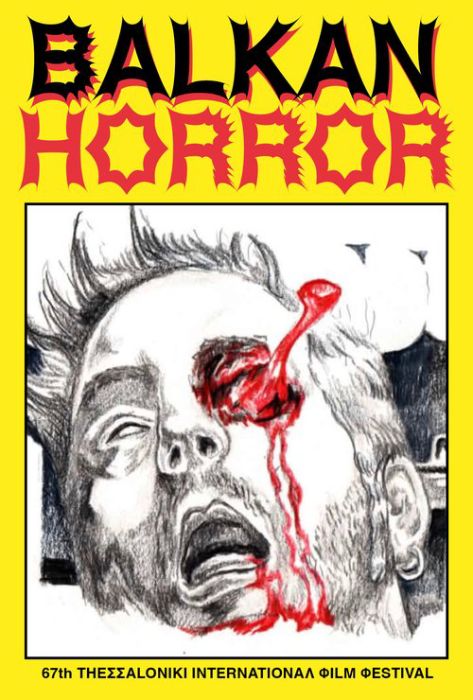
Balkan Horror: The Ghosts of a Region
Another of the programme’s most distinctive offerings will be Balkan Horror, a retrospective presented as part of Survey Expanded, the extended section of Meet the Neighbors+. The retrospective will explore horror cinema from the Balkans, a region whose complex history has given rise to a particularly rich cinematic imagination.
Folk myths, superstitions, family secrets, inherited trauma and the ghosts of history intertwine in a selection bringing together cult films, B-movies and works that defy genre conventions. Beyond its supernatural elements, Balkan horror offers a way of examining how historical events and social tensions resurface in the form of fantastical narratives.
The programme also seeks to bring greater recognition to national cinemas and storytelling traditions that have remained relatively overlooked by mainstream international film circuits.
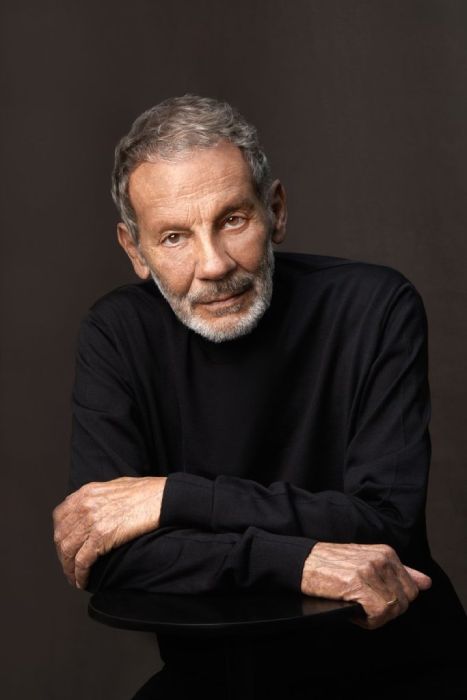
Stavros Xarchakos
Tributes to Nikos Grammatikos and Stavros Xarchakos
Greek cinema will also feature prominently in the programme. Director and screenwriter Nikos Grammatikos will receive the Honorary Golden Alexander in recognition of his career. The festival will dedicate a retrospective to his work, offering an opportunity to revisit a filmography closely connected to the transformations of Greek society over recent decades.
Another major honouree will be composer, conductor and arranger Stavros Xarchakos, who will receive the Golden Alexander for his contribution to culture. The ceremony will include a screening of Rebetiko, directed by Kostas Ferris, a film of particular significance for its connection to Greece’s musical heritage.
These tributes reflect the festival’s commitment to fostering a dialogue between contemporary cinema and the figures who have helped shape its artistic heritage.
A Festival Open to Encounters and Debate
The list of international guests also includes director Fatih Akin, who will present his latest film, and Danish actor Claes Bang.
Christoforos Papakaliatis, actor, screenwriter and director, will also attend as this year’s ambassador for Agora, the festival’s industry platform.
Clarify the tribute programme detailsStrengthen the transition between sections
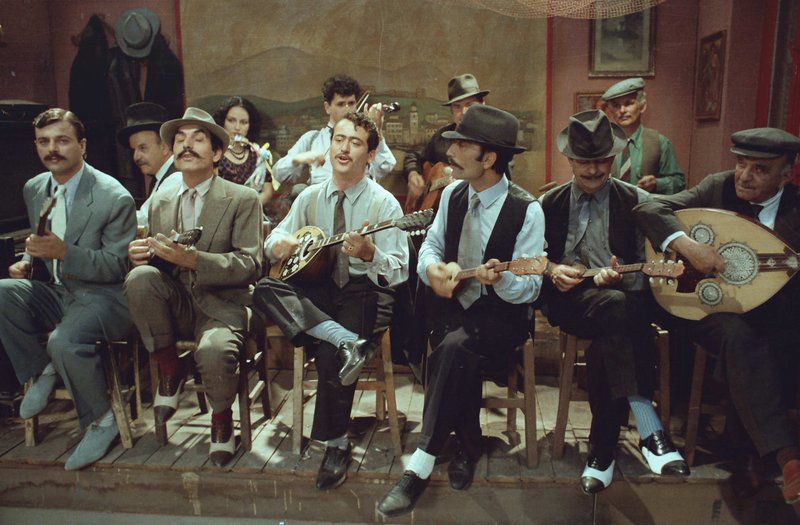
Rembetiko (Costas Ferris, 1983).
A special discussion will bring together director Sara Driver, actress Trine Dyrholm and film editor Giorgos Mavropsaridis, alongside producers Konstantinos Kontovrakis and Rodrigo Areias.
These events reinforce Thessaloniki’s role as a meeting place for filmmakers, industry professionals and audiences, where screenings are complemented by discussions about the creative process and the changing landscape of the film industry.
With 258 films, a strong presence of international filmmakers and a programme connecting contemporary cinema with cultural memory, the 67th Thessaloniki International Film Festival offers a unique opportunity to discover new perspectives, rediscover significant works and reflect on the power of moving images.
From Oliver Laxe’s desert landscapes to the ghosts of Balkan horror, from Laura Mulvey’s explorations of the cinematic gaze to Emin Alper’s examination of political conflicts, the festival offers a journey through some of the aesthetic and cultural questions shaping cinema today.

Nadie ha publicado ningún comentario aún. ¡Se tú la primera persona!