
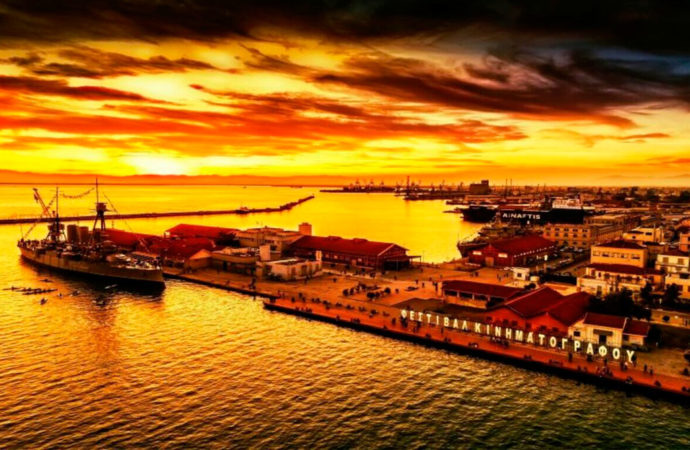
From 5 to 15 March 2026, the 28th Thessaloniki International Documentary Festival (TIDF) unfolds across physical venues and online, reaffirming its role as one of Europe’s key platforms for non-fiction cinema. With 252 documentary films—features and shorts—this edition reaches a new scale, marked by a record 80 world premieres, alongside 32 international and 11 European premieres. Screenings will take place at the Olympion and Pavlos Zannas theaters, the Port venues (Frida Liappa, Tonia Marketaki, John Cassavetes, Stavros Tornes), the Makedonikon theater, and online via online.filmfestival.gr.
But beyond numbers, the Festival’s 2026 edition is defined by a clear ethical and political orientation. In the official presentation of the programme, the Festival leadership foregrounded a shared global anxiety—one shaped by ongoing wars, democratic backsliding, and the normalization of violence and authoritarian practices. From Ukraine and Gaza to Sudan and Iran, the Festival situates documentary cinema as a space where memory and truth are not abstract values, but urgent tools. Thessaloniki positions itself as a haven for filmmakers whose work often entails personal risk and costs far beyond what the camera captures.
Opening, closing, and the world in between
The Festival opens on Thursday, March 5, with Ask E. Jean by Ivy Meeropol, a documentary on journalist and author Jean Carroll, whose legal victories against Donald Trump for sexual assault and defamation made history. The film will have its international premiere in Thessaloniki, setting the tone for an edition attentive to power, accountability, and the personal cost of truth.
The closing night on Sunday, March 15, brings together cinema and celebration. The Festival will screen Mr. Nobody Against Putin by David Borenstein, co-directed with Pavel “Pasha” Talankin—nominated for the Academy Award for Best Feature Documentary—followed by a live broadcast of the OSCARS® ceremony and an all-night party at the Olympion.
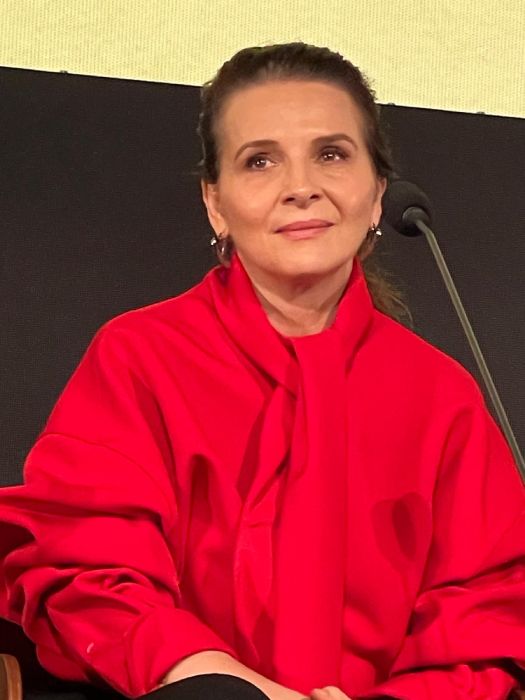
Juliette Binoche durante la masterclass en el 65º Festival de Tesalónica. Foto © Eva Peydró.
Juliette Binoche in Thessaloniki
One of the major highlights of the 28th edition is the presence of Juliette Binoche, who will attend the Festival to present her directorial debut documentary In-I In Motion, developed in collaboration with British choreographer Akram Khan. Binoche will also be in Thessaloniki in her capacity as President of the European Film Academy, ahead of the European Film Awards to be held in Athens in 2027. An open discussion with the audience will explore her dual role in front of and behind the camera, bridging acting, authorship, and institutional responsibility.
A grand tribute to archives: All the World’s Memory
At the conceptual heart of the 28th TIDF lies a major cross-sectional tribute titled All the World’s Memory, dedicated to archival cinema and the politics of remembrance. Rather than treating archives as inert repositories, the Festival foregrounds films that critically reinterpret the past, opening a dialogue between history, memory, and the present.
The tribute spans screenings, discussions, and publications, including:
-
The commissioning of an original artwork: The Unknowing of Things, a short film by Aristotelis Maragkos, produced in collaboration with the General State Archives of Greece.
-
An open discussion, Genealogy of the Future (March 9, Pavlos Zannas), addressing how archives shape what lies ahead.
-
A three-part archival programme titled Rewind.
-
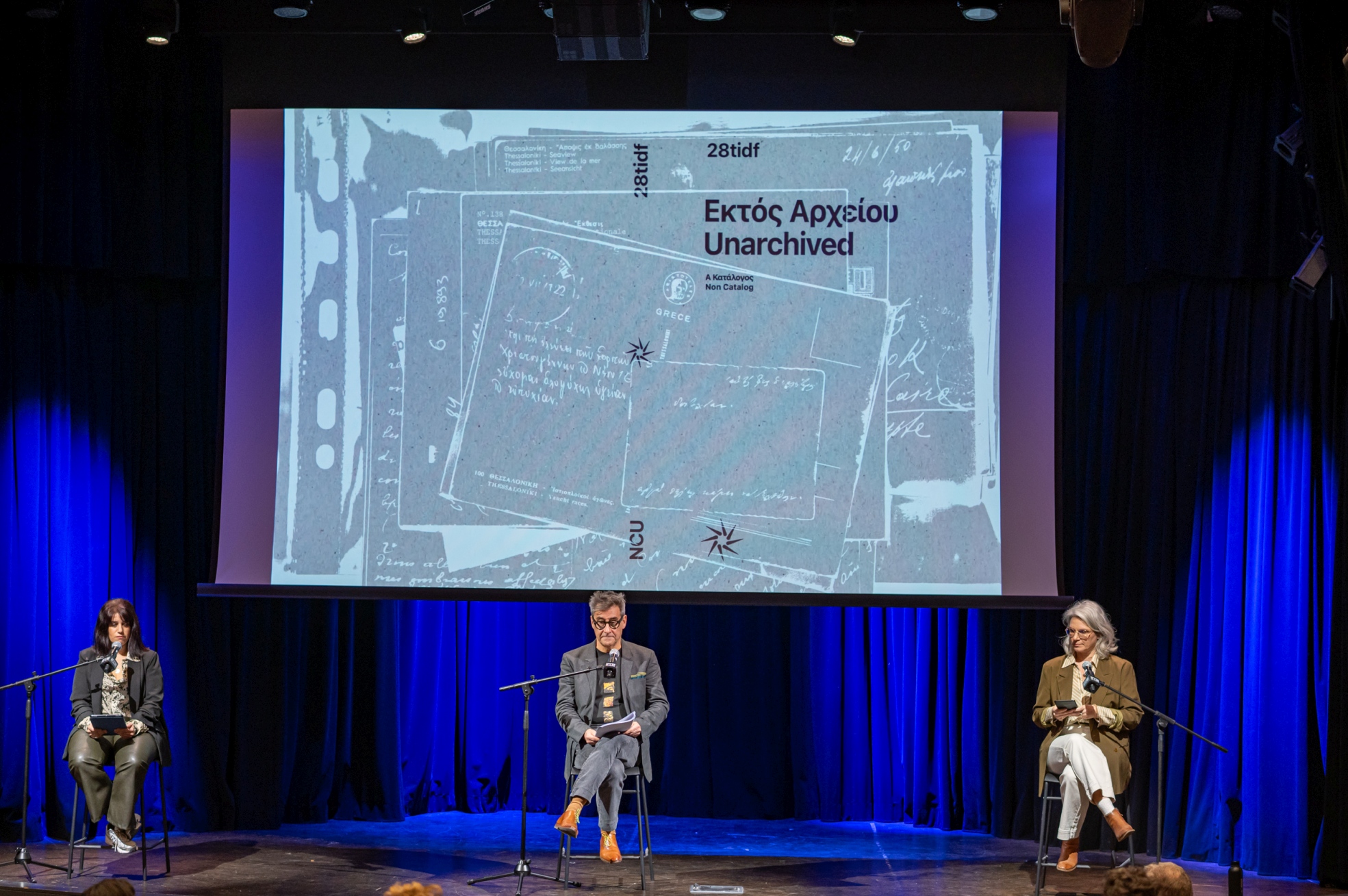
A special non-catalogue edition titled Unarchived, alongside a new issue of First Shot magazine.
-
Participation in an exhibition at MOMus – Experimental Center for the Arts, featuring Aikaterini Genisian’s installation THIRD PERSON (PLURAL), with the film version screened at the Festival.
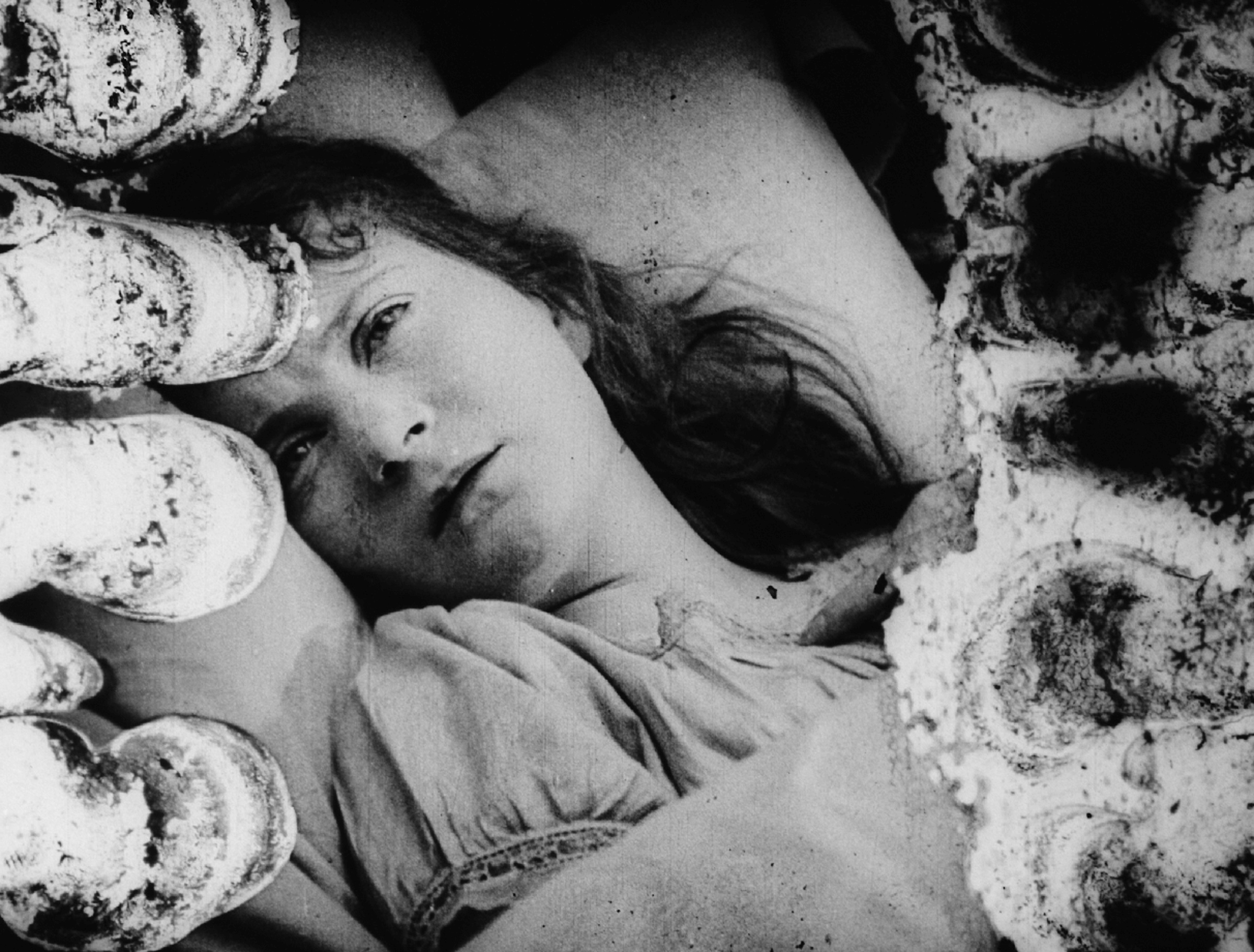
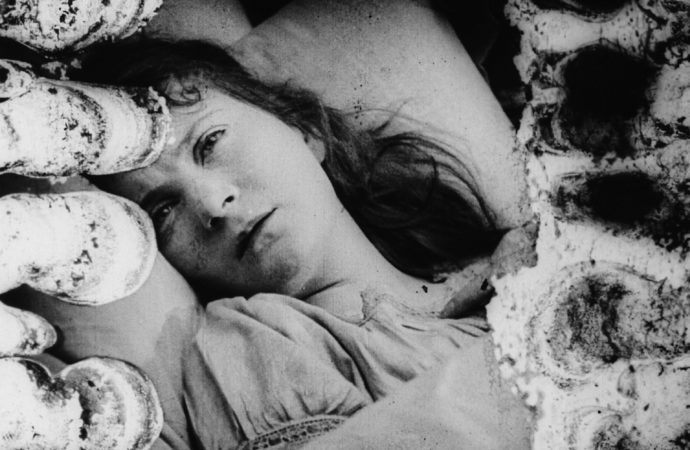
Dawson City: Frozen Time (Bill Morrison, 2016).
Filmography: safeguarding Greek cinema’s memory
On Friday, March 13, the Festival will preview Filmography, a new digital database dedicated to Greek cinema, scheduled to launch publicly by late April. Developed in collaboration with the Hellenic Film & Audiovisual Center and the Hellenic Film Academy, and funded through the National Recovery and Resilience Plan Greece 2.0, Filmography aims to document, preserve, and promote Greek film heritage—an infrastructural intervention aligned with the Festival’s broader commitment to memory.
Honorary Golden Alexanders: Skoura, Morrison, Papalios
The 28th TIDF bestows its Honorary Golden Alexander on three figures whose work has shaped cinema’s relationship to history and culture:
-
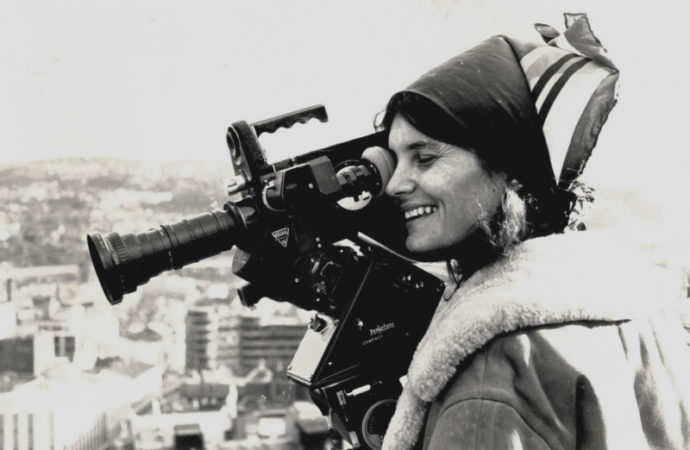
Vouvoula Skoura, the pioneering Greek filmmaker whose 20-film tribute redefines cinematic time, memory, and experimental form.
-
Bill Morrison, the American multimedia artist celebrated as the “poet laureate of lost films,” who will present six works and deliver a public masterclass.
-
Yorgos Papalios, the iconic producer synonymous with the rebirth of Greek cinema, also serving as a juror in the International Competition. The documentary Running on Waves by Yannis Karapiperidis, centered on Papalios, will be screened at the Festival.
Greek programme
The Festival presents 57 Greek documentaries across its international sections and Platform+, with extended online availability from 6 to 20 March. Special screenings include Why the Mountains Are Black: Rituals (Fivos Kontogiannis) and …One Road the Sea (Voula Kostaki).
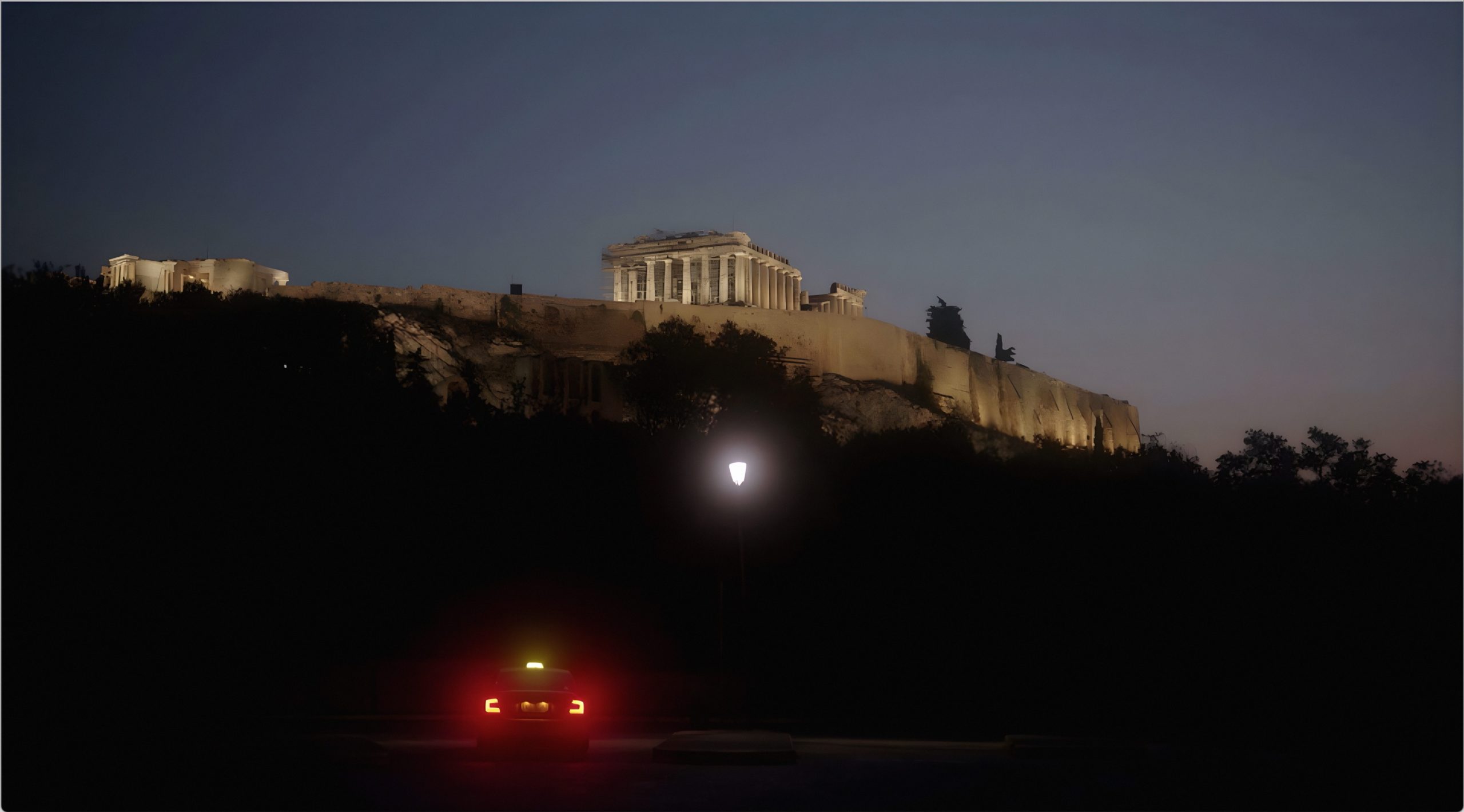
The Way Elsewhere (Eirini Vourloumi, 2026).
International Competition: world premieres and global tensions
The International Competition of the 28th Thessaloniki International Documentary Festival brings together 14 films, three of them Greek, competing for the Golden Alexander (12,000 €) and Silver Alexander (5,000 €). This year’s selection is particularly strong in world premieres, positioning Thessaloniki as a key launchpad for urgent, formally ambitious non-fiction.
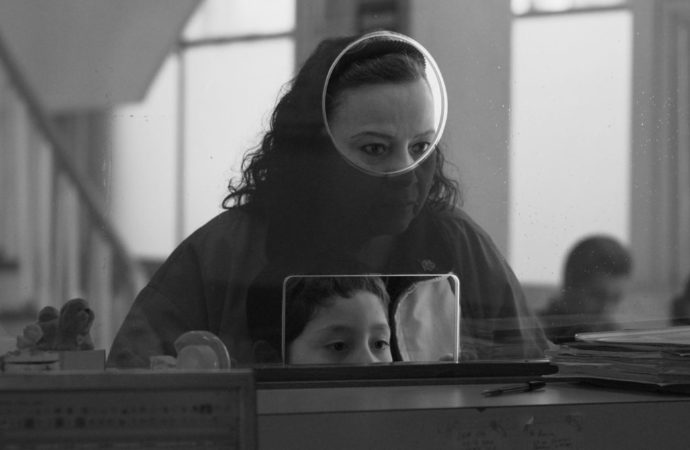
Among the world premieres are Bugboy (Greece/Denmark/France) by Lucas Paleocrassas, The Golden Grip (Greece) by Fokion Bogris, and The Way Elsewhere (Greece) by Eirini Vourloumis—three works that confirm the vitality and diversity of contemporary Greek documentary. They are joined by Candidates of Death (Poland) by Maciej Cuske, Derek vs Derek (UK) by James Dawson, and La Pietà (Spain/Iceland/Lithuania) by Rafa Molés and Pepe Andreu, the latter widely recognised for Lobster Soup, a key title in recent European creative documentary.
The competition further expands its geographical and thematic scope with Soap Fever (Finland/Sweden) by Inka Achté and The Golden Swan (Norway/Sweden/Denmark/Netherlands) by Anette Ostrø, both exploring identity, power, and embodiment through distinct formal approaches.
Several titles arrive in international premiere, including Around Paradise (Germany) by Yulia Lokshina—recently premiered in Berlinale’s Panorama—The Beauty of Errors (Finland/Norway/Sweden) by Jukka Kärkkäinen, and Nuisance Bear (USA/Canada) by Gabriela Osio Vanden and Jack Weisman, a sharp reflection on coexistence between humans and wildlife in a world shaped by climate imbalance.
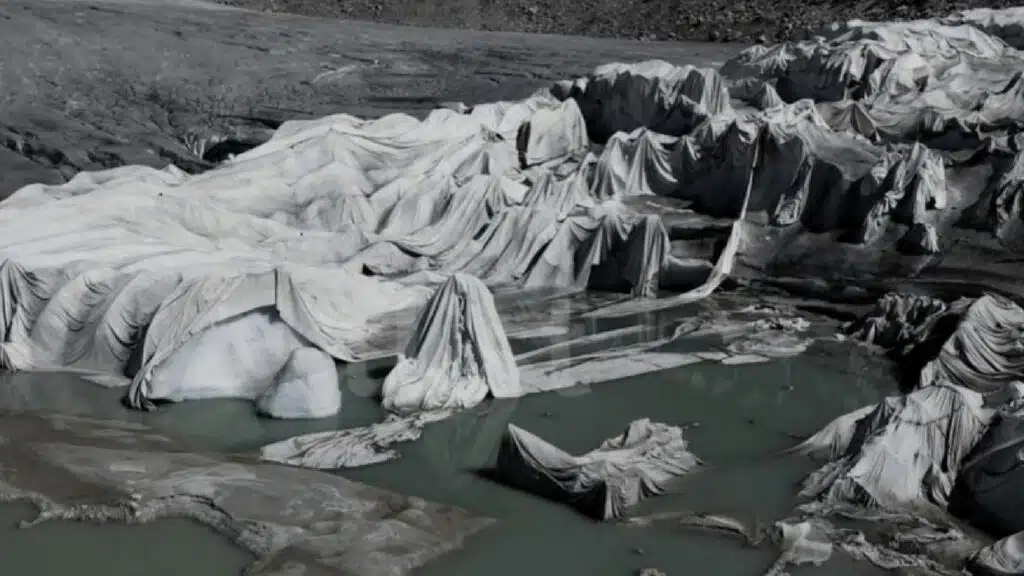
La Pietà (Pepe Andreu & Rafa Molés, 2026).
The European premieres also carry significant weight, with Sundance titles such as All About the Money (Ireland) by Sinéad O’Shea, acclaimed for Pray for Our Sinners, Birds of War (UK/Syria/Lebanon) by Janay Boulos and Abd Alkader Habak, and Closure (Poland/France) by Michał Marczak, whose All These Sleepless Nights won the Best Directing Award at Sundance.
Together, these films shape an International Competition that is sharply attuned to contemporary fractures—political, social, and existential—while remaining formally adventurous, reaffirming Thessaloniki’s role as a festival where documentary is not only screened, but actively tested against the present.
Internationally, the Festival hosts four competitive sections—International Competition, Newcomers, Film Forward, and Immersive: All Around Cinema—alongside Open Horizons, Top Docs, and NextGen, mapping both the present and future of documentary language.
Agora, podcasts, and a Festival that films itself
The Agora returns as a dynamic development hub, combining pitching forums, labs, talks, and —new this year— a Think Tank organized with the European Film Academy, alongside a delegation of Basque producers.
In a reflexive gesture, the Festival also becomes a film itself: a hybrid documentary on TIDF’s history and daily life, directed by Giorgos Grigorakis (Digger), produced by Filmiki Productions, with Christos Passalis and Konstantina Messini moving through the Festival as on-screen guides.
The Podcast Competition continues to expand documentary storytelling into sound, with 10 competing podcasts and 13 more in the Nexus section.
A festival of urgency
Supported by public institutions and private partners, the 28th Thessaloniki International Documentary Festival does not seek neutrality. It claims documentary cinema as a space of urgency—where memory resists erasure, where form carries ethics, and where filmmakers and audiences meet to confront what is unfolding in the world. Tickets go on presale on March 3, 2026, with the full programme available at www.filmfestival.gr.
No one has posted any comments yet. Be the first person!