

After a full year of preparation, the Toronto Global Film Festival officially took place on 21st December 2025 in Ontario’s capital in Canada. Although this is the first edition of the festival, it was launched with a fully professional approach, aiming to match the standards of A-list festivals. This aim was reflected in its listing on FilmFreeway, in which over 5,000 film submissions were received from around the world. Festival director Azar Faramarzi tried to ensure that the majority of the films were judged. This was a challenging process in which the films were evaluated and filtered step by step, eventually leading to The Finalists, the last and most important stage.
When asked what message Azar Faramarzi had for those who were interested in this artistic event, the founder and director of the festival said, “As we approach the Toronto Global Film Festival, I am truly pleased that we have the opportunity to come together with those who value the art of cinema. My message to all enthusiasts is that this festival is more than a program of film screenings. It is a place for many film industry dialogues, an opportunity for creative exchanges, the discovery of new voices, and sharing the global experience of film. I invite everyone to join us for this cultural celebration and to witness the remarkable talents that are well represented. Thank you so much for giving me the opportunity to present this festival.”
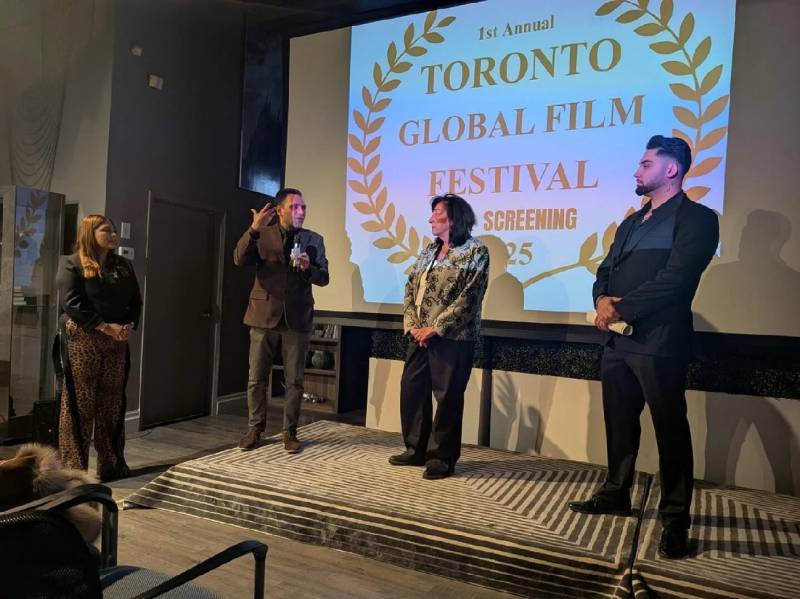
In one very full and eventful day of public screenings, the festival had an official red carpet in the morning. Several officials from the City of Toronto attended the ceremony in person and presented the festival director with their letters of congratulations. The officials who were unable to attend in person, due to the holiday period, also sent their congratulatory letters. There then followed a full day of selective film screenings of the chosen finalists from 11.30 am-7 pm, and then the closing ceremony and award presentation. The opening film was OPPA, a film that, by bringing the global problem of online love scams to a local level, is considered to be Malaysia’s first cultural awareness film. Directed by Denil Choong Lin Loong and based on a true story, a teacher becomes the victim of online romance entrapment. The pursuit by the Royal Malaysian Police adds further suspense in tackling Malaysia’s cybercrime. Sadiq M. Jamil won the festival’s Best Supporting Actor for International Feature Film.
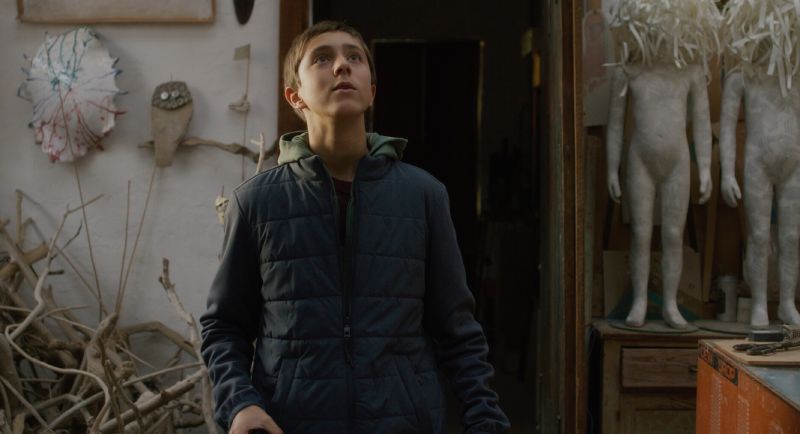
The second feature in the program was Paperheart (Cuore di carta), an Italian production directed by Kristina Sarkyte. It tells the story of a sensitive and intelligent young boy called Luca who has to deal with the continuing consequences of being born into a dispiriting family, where only his neighbours appreciate him unconditionally. The director’s intention for the film was to recognize the importance of every individual and how they should never give up on their dreams, no matter who they are or where they come from. For her efforts, Kristina Sarkyte won the prize of Best Director for International Feature Film. Following its screening, there was also a Q&A with two representatives of the film, despite the director not being able to attend.
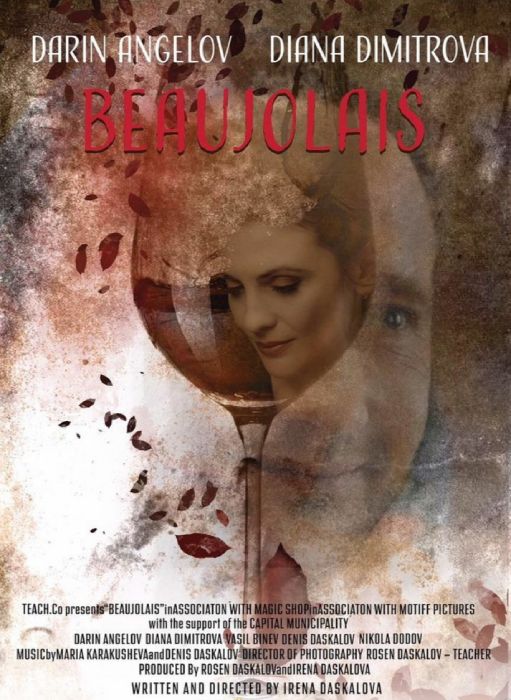
There was then a pause from the feature-length films as the festival presented the Shorts Program with six films selected for screening, starting with the Bulgarian short Beaujolais, directed by Irena Grigorova Daskalova, already well-known in her homeland. This film depicts the emotions of love, loss, and second chances. A man called Al and a woman called Victoria meet online but their first in-person date is a disaster. Despite this, fate will bring them together again at Al’s restaurant before Christmas. However, in another twist, a heartbreaking letter means there will be no happy ending. This original and compelling slant on a perennial human tale won Irena Grigorova Daskalova Best Director for International Short Film.
Finding History, directed by Lahoucine Boussaber, is a short film from the United States that follows the lives of performers as they seek to preserve Jordan’s Roman heritage despite a decline in tourism. The film also showcases Boussaber’s directorial work in the US after his move from Morocco in 2018. This versatile filmmaker also continues to direct, write, and act, and Finding History is already one of his films, attracting a wider following.
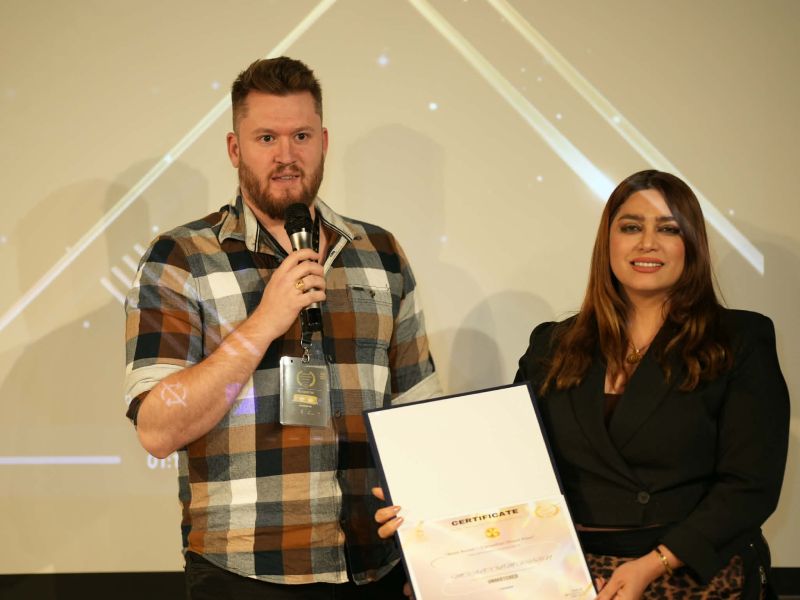
Representing the host country, UnMatched is a seven-minute Canadian comedy written and directed by Matthew Dionne. When two singles get together for dinner after matching on a dating app, things soon get awkward when it turns out they may not be as compatible as originally advertised. Malcolm Green’s performance was good enough to be awarded Best Actor in a Canadian Short Film. UnMatched was nominated for three awards — Best Canadian Short, Best Director, and Best Actor! Although the actor wasn’t able to attend and pick up the award himself, his director did so for him and Matthew Dionne also took part in a Q&A session following the film’s screening.
Another Short from the United States, The Tooth Fairy, was directed by Trey Lyford and stars Hannah Gaffney, who also wrote the script. An unusual entry for this festival, it has been described as a mixture of genres, namely a combination of Western, Sci-Fi and Horror film, with some reactions considering it as adrenaline-fuelled, not least because of its action elements. Also, by having a female lead, it highlights violence against women as a lone ranch hand attempts to survive against the odds in a post-apocalyptic world. Trey Lyford’s collaborative project was rewarded with the prize for Best International Short Film.
The Canadian entry The Last Supper was directed by Trudy Flashford, and its setting is a family dinner. Three generations of family are present as the central character, Betty, has to cope with her temporarily residing narcissistic grandmother and obnoxious older sister Lauren, back from University, joining her quiet brother and parents for this family gathering. After superficial formal pleasantries, tensions soon come to the surface at the dinner table, and table manners become more akin to junk food. A high-octane flipside take on family values in under five minutes earned Trudy Flashford the Best Canadian Short Film prize.
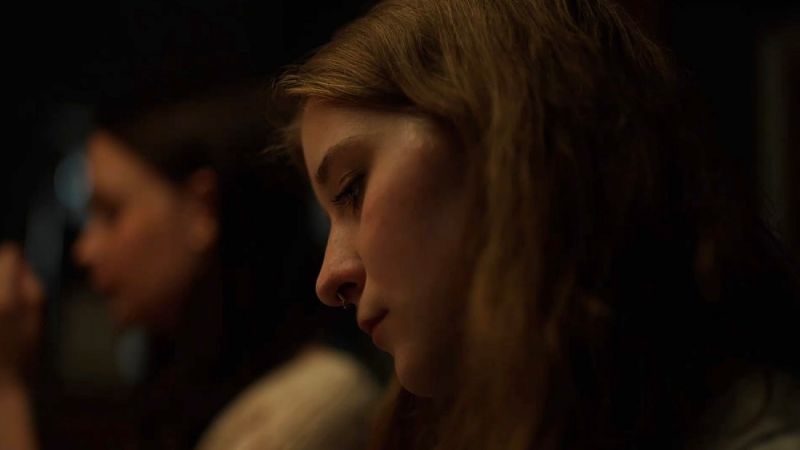
The final film screened in the Shorts Program was the Iranian short film Visor (Il Visore), directed by Ali Azizollahi. Despite its two-minute duration, it was also one of the most poignant entries into the festival. This film captures the harrowing moment when a passionate photographer taking pictures in a war zone is suddenly and randomly in the line of fire of a sniper. The randomness of mortality as conveyed here deservedly won Ali Azizollahi the prize for Best International Short Experimental Film.
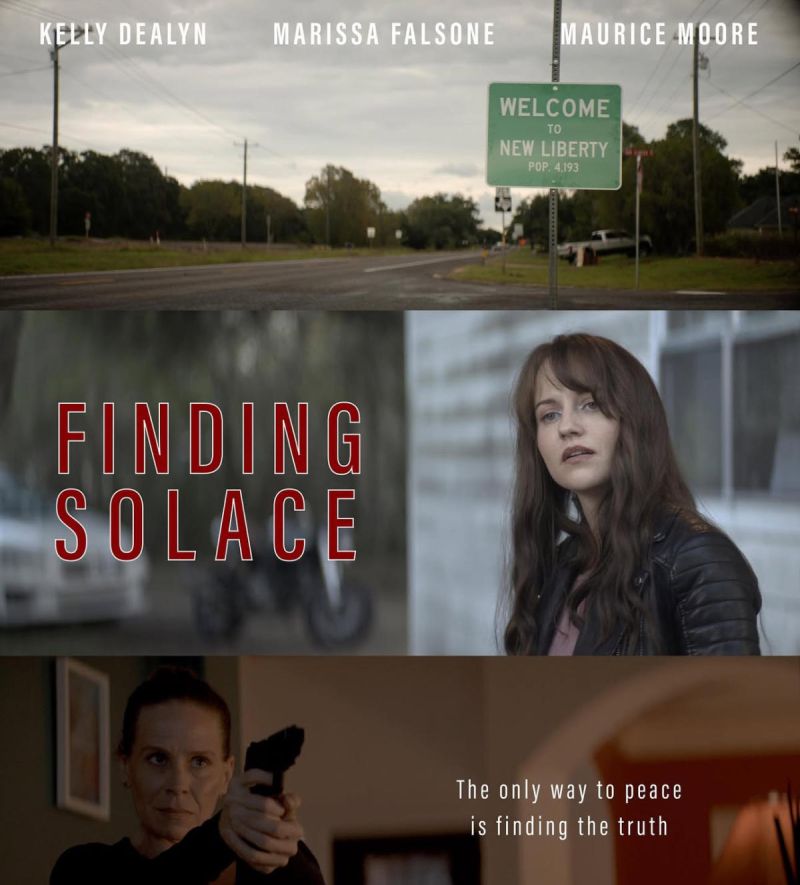
The feature film screenings resumed in the mid-afternoon, and the first one was “Finding Solace” from the United States, a psychological thriller written and directed by Maurice Moore. The central characters are two sisters who have been estranged for years but who involuntarily and reluctantly come together again after the death of their father. More than this, their painful past lives may be connected to a string of murders shaking their small Texas hometown. As the truth inexorably begins to unravel, they realize they won’t be able to move on with their lives until they have uncovered and faced what was buried in the past. Finding Solace was an ambitious project that brought together a diverse US-European production team and was filmed across Texas locations in Austin, Columbus, Paige, and Dripping Springs to create high-level and haunting production values. The film was honoured at the festival with two awards: Kelly Dealyn won Best Actress for International Feature Film, and director Maurice Moore won for Best International Feature Film.
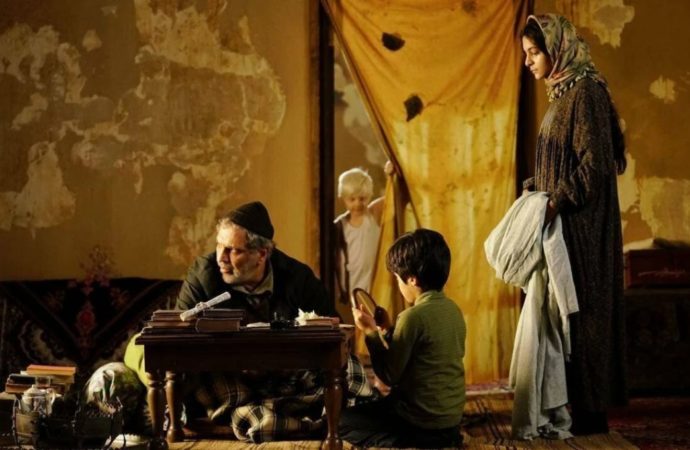
The final screening of the day was Summertime (Tabestane Haman Sal), an Iranian film that was directed by Mahmoud Kalari. Later in life, Atta reflects on his childhood and playing with his little cousin, Masi. In particular, the most vivid memory to him was 1953, the year of the American coup in Iran, whose importance was only known many years later. At the time, Atta and Masi were mostly oblivious as they played carefree in the alleys of Tehran and their old family home. However, both their parents were absent. Atta’s dad was in prison, and Masi’s dad was dead. Meanwhile, Davoud was Masi’s older brother and now a young man. Atta also idolises him, but when their Aunt Marzi accuses Davoud of stealing her jewellery, it sets of a chain of events whose effects will stay with Atta throughout his lifetime. Decades later, these memories still resonate strongly as 77-year-old Atta comes back to Iran to visit the now derelict old house that is about to be sold. The everlasting childhood memories of love, admiration and betrayal come flooding back to him. Summertime plays like the flip side of the coin to the universally popular Cinema Paradiso (Director: Giuseppe Tornatore, Italy, 1988), this film is a more bitter than sweet memorizing of events from a loving but always, on reflection, never so innocent childhood. Mehran Modiri won the prize for Best Actor in an International Feature Film.
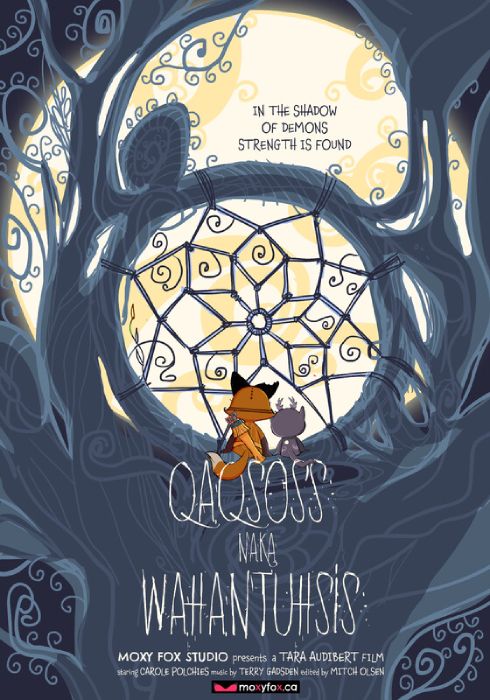
Films that were not in the screening program of the festival but deserve attention included the feature-length Canadian animation film The Fox and the Tiny Demon (Qaqsoss naka Wahantuhsis). Set in an enchanted forest, it is an animated allegory about Qaqsoss, a troubled female fox who is haunted by and then finds an unlikely friend in a tiny, mischievous demon called Wahantuhsis. Tara Audibert, from Tobique First Nation in New Brunswick, wrote, produced and directed the film and describes it as an exploration of trauma, mental illness, and the journey of confronting personal demons to find healing. Told in the Wolastoqey language, the story intertwines indigenous culture and personal experience. Adrian Francis, who is Mi’kmaw and from Esgenoopetitj First Nation, voices Wahantuhsis, the tiny demon, a character who speaks mainly through sounds – hiccups, screeching, growls and other vocal forms. Carole Polchies, who both translated the script and narrated the film, is one of only two fluent speakers in Woodstock First Nation and sees the project as a vital part of revitalizing the language.
The film is a visual treat for its animation, storytelling and message, and can be enjoyed by people of all ages for its informative value and entertainment. Tara Audibert deservedly won the prize for Best Canadian Animation Feature Film.
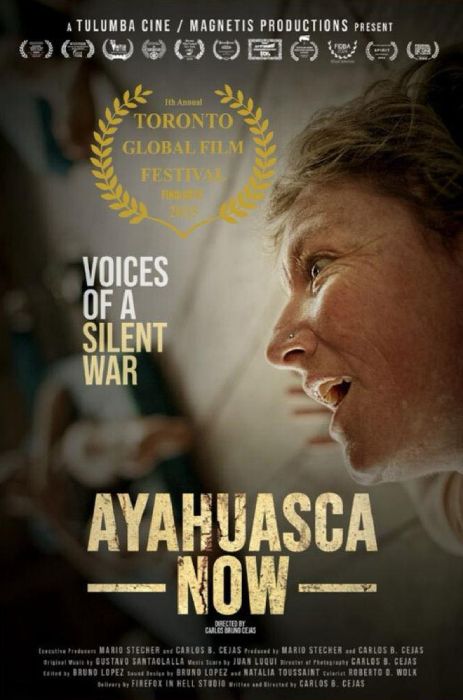
Finally, the feature-length documentary film, Ayahuasca Now, Voices of a Silent War, an Argentine production directed by Carlos B. Cejas, was the last screening of the day. After many years suffering from PTSD (Post Traumatic Stress Disorder), American veterans of the wars in Vietnam, Afghanistan, and Iraq travel to the Peruvian Amazon rainforest. Here, they participate in shamanic ceremonies to come to terms with or heal their traumas or psychological distress. The participants include men and women of the US Army, Air Force, Marine Corps, and a UK Royal Marine veteran. Progressively, we see emotional and intensely deep personal stories related to discussions of war, trauma, PTSD, combat experiences, and the use of Ayahuasca as a therapeutic (but contentious) medicine. Ayahuasca Now also won Best International Feature Documentary Film for Carlos Bruno Cejas.
The Award Ceremony took place at the end of the day’s screening. There were thirty-six awards given in all, and this gave a chance for the many finalists’ films in competition to win in at least one category, with some outstanding entries winning in more. All of this is in keeping with the quoted festival philosophy of celebrating, “...the power of cinema to inspire, challenge, and connect audiences from around the world”. The different categories of the awards honour the different genres and cultures, thereby showcasing and recognising filmmakers from across the world.
Full list of awards, here.

No one has posted any comments yet. Be the first person!