
From Bob Dylan to Johnny Cash, via Eric Clapton or Damon Albarn, few escape the temptation of supergroups. The tradition of formations born out of collaboration between musicians—of greater or lesser solo success or from other bands—has been cultivated by countless artists since the term was first coined in the 1960s.
The musical archives of the sixties are rather murky, so for almost everything there is more than one perfectly well-founded theory. Thus, the origin of the concept lies somewhere between 1968 and Super Session by Al Kooper and Mike Bloomfield—both lieutenants of Bob Dylan on Highway 61 Revisited—alongside Stephen Stills (of Crosby, Stills, Nash & Young), and 1969 with Goodbye, Cream’s final album. The group formed by Ginger Baker, Jack Bruce, and Eric Clapton is possibly the first great supergroup in history, with the caveat of the Million Dollar Quartet made up of Elvis, Johnny Cash, Jerry Lee Lewis, and Carl Perkins; Million Dollar Quartet was recorded in 1956 as an improvised session at Sun Records studios in Memphis, almost by chance, and still represents the purest state of the practice.
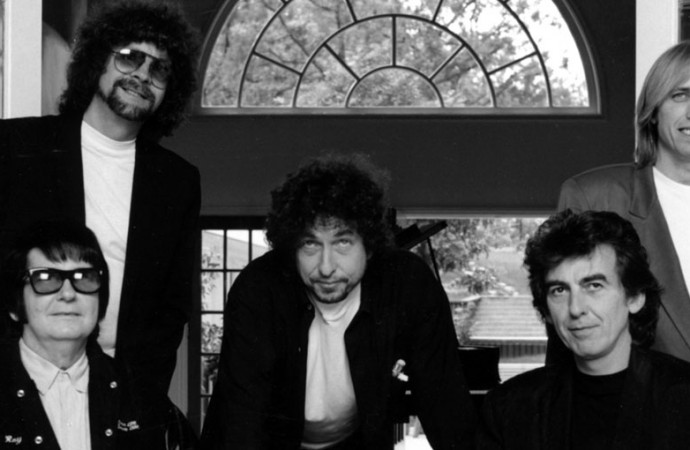
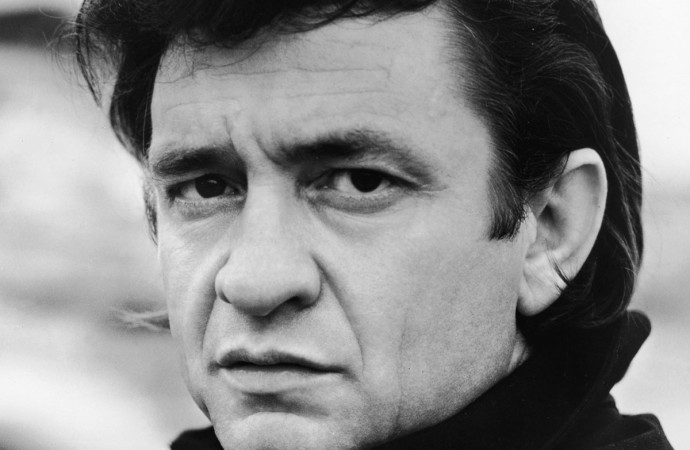
Cash repeated the feat thirty years later with The Highwaymen, a country supergroup that in the 1980s—his decade as an outsider—he formed alongside Waylon Jennings, Willie Nelson, and Kris Kristofferson. Around the same time he caught Bob Dylan playing tag with religion, the man from Duluth paraded alongside George Harrison, Tom Petty, Roy Orbison, and Jeff Lynne with the Traveling Wilburys; one album in 1988 and another in 1990, the latter already without Orbison by celestial decree, bear witness to Dylan and company’s offering to heartland rock.
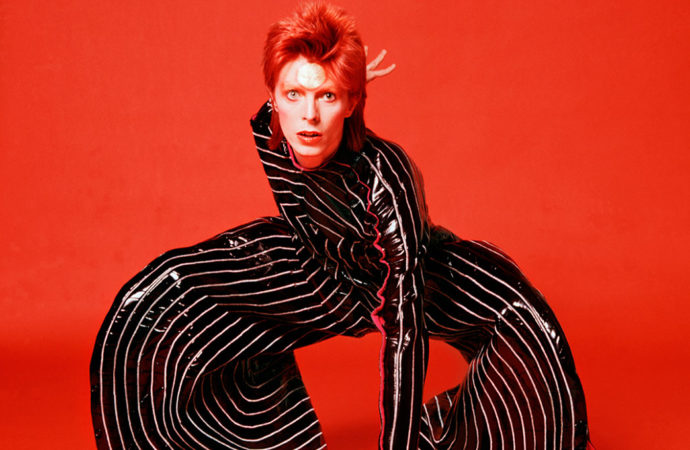
The 1980s were, in fact, prolific when it came to supergroups of enormous rock influence. The Firm, with Jimmy Page and Paul Rodgers; the proto-punk rock of New Race with members of Radio Birdman, the Stooges, and MC5; Asia, with standard-bearers of progressive rock from King Crimson, Yes, and Carl Palmer himself; Tin Machine, with David Bowie at the helm; or the hard rock of Gogmagog with Paul Di’Anno (Iron Maiden), Pete Willis (Def Leppard), or Neil Murray (Whitesnake). Although the supergroup that has done the most for hard rock in the history of modern music has been Bad Company; with members of Free, King Crimson, and Mott the Hoople, the band has defied the fleeting fate of musical coalitions since its formation in 1973.
The fleeting tradition of supergroups is a fact. Among the best cases is the one that emerged in the late 1960s during the final gasps of Chess Records; blues icons such as Muddy Waters, Little Walter, and Bo Diddley (and Buddy Guy, in the shadows) recorded Super Blues in 1967 and, just a year later and with the addition of Howlin’ Wolf in place of the late Little Walter, closed the collaboration with The Super Super Blues Band. John Lennon and Yoko Ono’s Plastic Ono Band did not last long either. The endless list of musicians they played with between 1969 and 1974 included Eric Clapton, George Harrison, Ringo Starr, and Keith Moon; even shorter-lived was The Dirty Mac, the group Lennon, Clapton, Keith Richards, and Mitch Mitchell formed to perform on the television show The Rolling Stones Rock and Roll Circus in 1968.
In the 1990s, amid the full effervescence of the Seattle sound, Temple of the Dog, with Chris Cornell and Eddie Vedder, in fact paved the way for the birth of Pearl Jam. A retroactive supergroup. Mad Season, The Backbeat Band, and even Dave Grohl’s Foo Fighters emerged under the sign of astral conjunction and grunge. Since then, the concept has become so normalized that it is difficult to find a musician who has played in only one band. In the rock tradition, as with Them Crooked Vultures, but also in the already misnamed indie scene: Monsters of Folk, Atoms for Peace with Thom Yorke and Flea, The Last Shadow Puppets with Alex Turner and Miles Kane, The Good, the Bad & the Queen with Damon Albarn and Paul Simonon himself, The Dead Weather with Jack White at the helm, or the promising FFS (Franz Ferdinand & Sparks) are worthy examples of supergroups in this century. Less worthy is the case of New Kids on the Block and the Backstreet Boys, who joined forces in 2011 for the impossible NKOTBSB.


No one has posted any comments yet. Be the first person!