

After twelve days of competition marked by an exceptionally strong line-up and the absence of a clear frontrunner, the Official Competition jury of the 79th Cannes Film Festival, chaired by Park Chan-wook, has concluded this year’s edition with a winners’ list that combines artistic ambition, geographical balance and a measure of safe judgment.
Rather than being disruptive or controversial, the final verdict —including a joke from the jury president, who remarked that he would have preferred not to hand out any prizes at a festival that had repeatedly denied him one, but that he had no other choice— conveys the impression of a jury determined to spread recognition among several of the films that best defined this year’s competition, rewarding both established auteurs and emerging talents, as evidenced by the Best Actor prize.
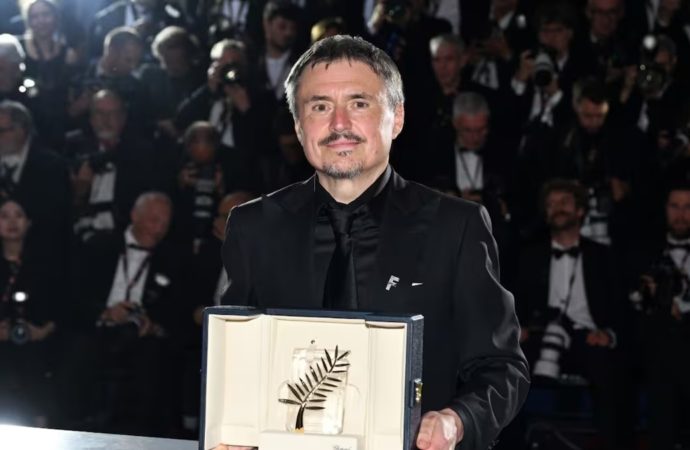
The evening’s biggest winner was Romanian filmmaker Cristian Mungiu, whose film Fjörd was awarded the Palme d’Or. The prize places Mungiu among the select group of directors who have won Cannes’ highest honour twice, joining figures such as Francis Ford Coppola, Shōhei Imamura, Bille August, Emir Kusturica, Jean-Pierre Dardenne and Luc Dardenne, Michael Haneke, Ken Loach and Ruben Östlund.
The award further confirms Mungiu’s extraordinary relationship with Cannes. After winning both the Palme d’Or and the FIPRESCI Prize in 2007 for 4 Months, 3 Weeks and 2 Days and sharing the Best Director Award in 2016 for Graduation alongside Olivier Assayas for Personal Shopper, Mungiu once again leaves the Croisette as one of the festival’s most celebrated and enduring auteurs.
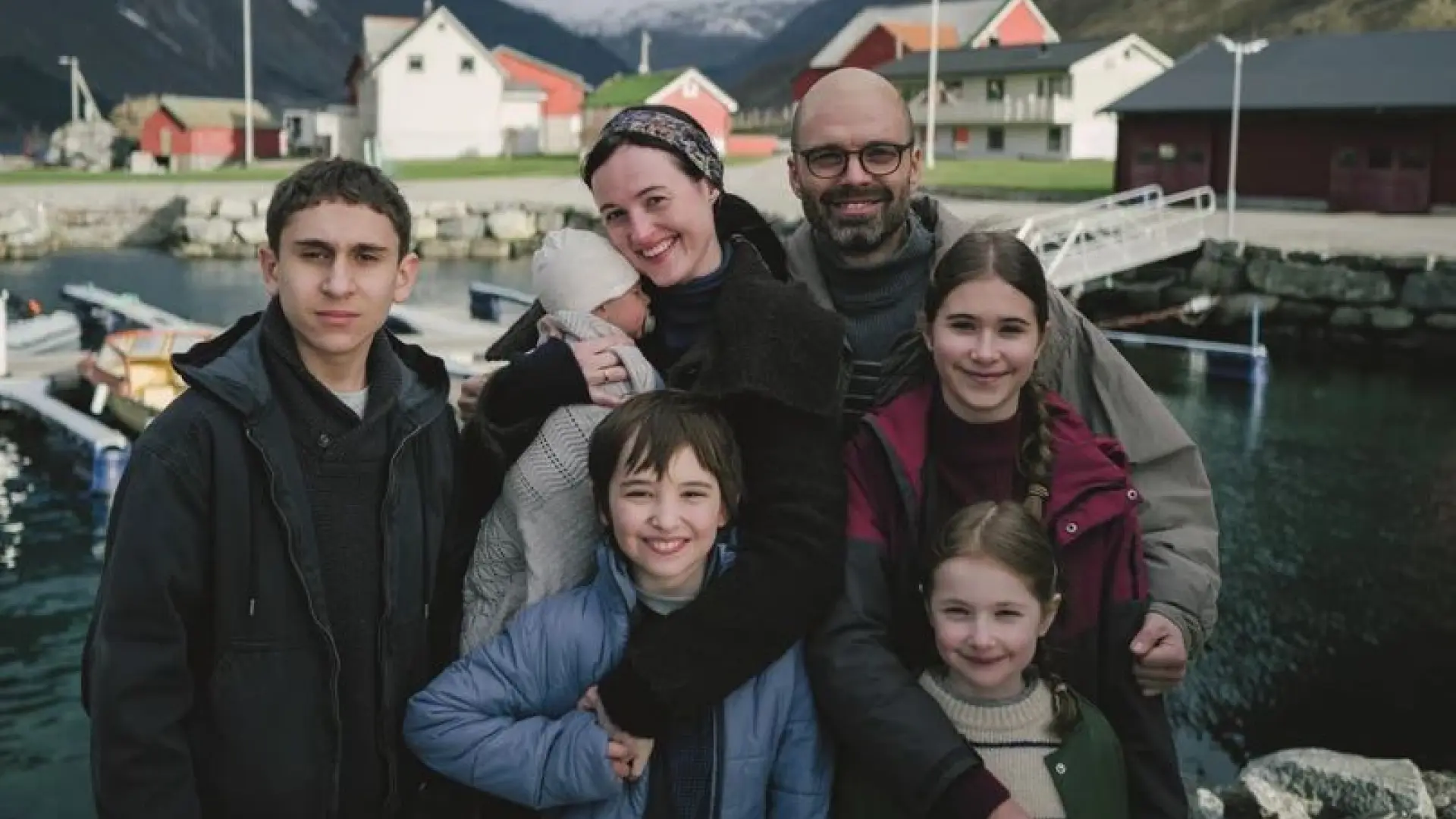
The Grand Prix was awarded to Minotaur, the long-awaited return of exiled Russian filmmaker Andrey Zvyagintsev. After years away from filmmaking and following the severe physical consequences of COVID-19, the director returned to the Croisette with a bitter reflection on power, corruption and war. During the awards ceremony, he used his acceptance speech to publicly call for an end to the conflict between Russia and Ukraine, turning one of the evening’s most talked-about moments into a political statement of considerable symbolic weight.
Among the most striking decisions was the ex aequo Best Director Award. On one side stood Spaniards Javier Ambrossi and Javier Calvo, honoured for The Black Ball, an ambitious exploration of historical memory and sexual repression in Spain. On the other was Polish director Pawel Pawlikowski, who won the award for a second time after his 2018 triumph for Cold War, thanks to Fatherland, a refined and deeply thoughtful meditation on Thomas Mann, exile and European identity in the aftermath of war, a film that may well complete his great historical trilogy.
The shared award inevitably recalled the memorable —and highly uneven— Jury Prize jointly awarded in 2014 to Xavier Dolan and Jean-Luc Godard for Mommy and Goodbye to Language respectively. At the time, the pairing was widely interpreted as a symbolic passing of the torch between generations. Today, it may instead suggest an openness to radically different cinematic propositions existing side by side. The jury recognised that Ambrossi and Calvo’s film possesses sufficient cinematic merit to stand on equal footing with one of the most respected filmmakers in contemporary European cinema.
What was rewarded was both the exuberance of the Spanish duo and the austerity of the Polish master. More importantly, the prize elevates Ambrossi and Calvo into a different conversation altogether. They leave behind the niche of cult creators and acclaimed television auteurs to enter the ranks of major European filmmakers. In many ways, the identity of the filmmaker with whom they shared the award may prove even more important for their prestige than the prize itself, consolidating their international standing and allowing them to move beyond the cultural phenomenon they have represented until now.
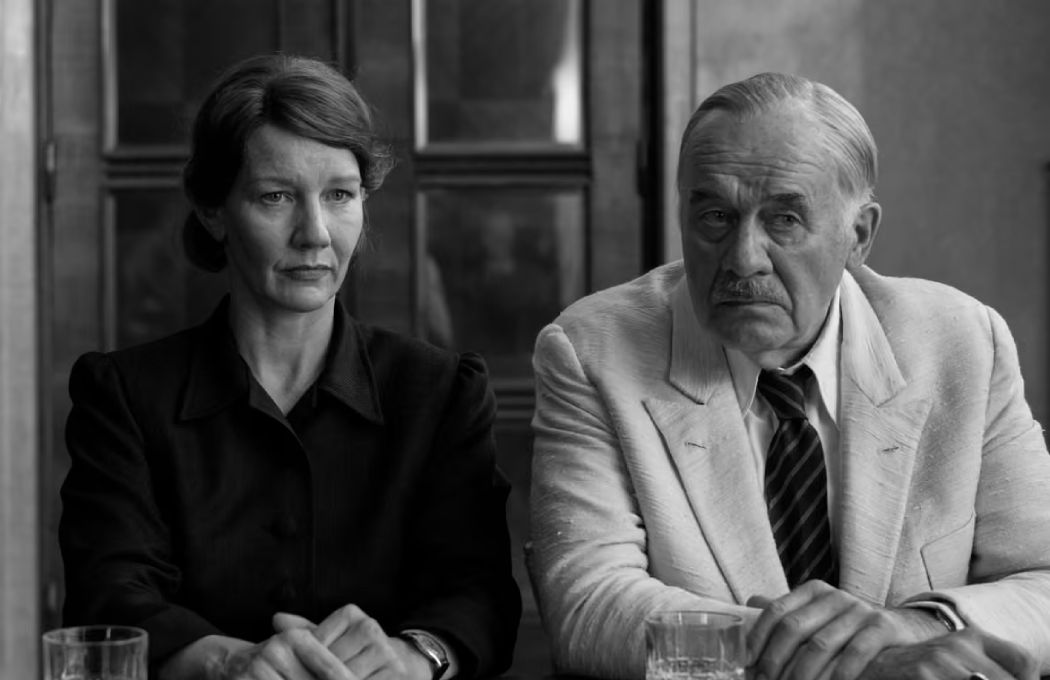
The Jury Prize went to The Dreamed Adventure by German filmmaker Valeska Grisebach, confirming the return of a director whose relatively small body of work has nevertheless become a reference point in contemporary European cinema. Shot in Bulgaria and co-produced by Germany, France, Bulgaria and Austria, the film once again demonstrates Grisebach’s remarkable ability to observe cultural and emotional displacement through a profoundly humanist lens, a quality already evident in Western, which competed in Un Certain Regard in 2017.
As for the acting awards, rather than honouring individual performances, the jury chose to recognise two acting duos. The Best Actress prize was shared by Virginie Efira and Tao Okamoto for their work in All of a Sudden by Ryusuke Hamaguchi, prevailing over strong contenders such as the immensely talented Victoria Luengo, who delivered one of the festival’s most striking performances in The Beloved by Rodrigo Sorogoyen. I could not help feeling disappointed when I spotted her at Nice Airport, alongside the film’s team, barely two hours before the closing ceremony, quietly abandoning any hope of a prize for The Beloved.
In the male category, the award went to the young duo of Emmanuel Macchia and Valentin Campagne for their performances in Coward, directed by Belgian filmmaker Lukas Dhont. Their victory not only recognised two remarkable performances but also reinforced the festival’s ongoing commitment to emerging talent.
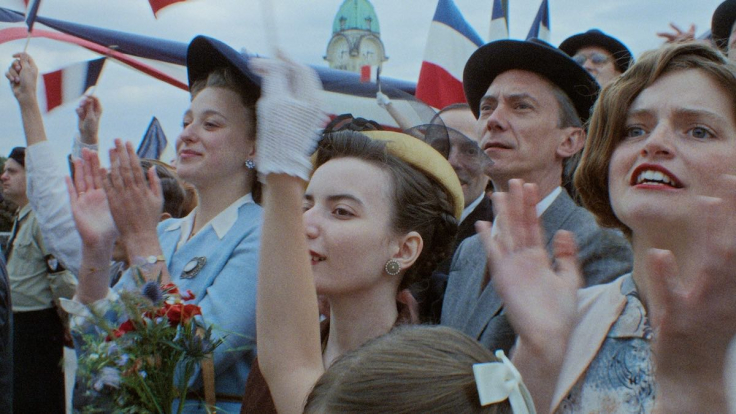
The Best Screenplay Award went to Notre salut, the second feature by French filmmaker Emmanuel Marre, who continues to consolidate a career that first attracted attention a few years ago in Critics’ Week. Led by an outstanding Swann Arlaud —as deserving of the Best Actor prize as Javier Bardem was for The Beloved— the film is a sharp and merciless chronicle of one of the darkest chapters in French history, when opportunists and false patriots chose collaboration with the Third Reich. Marre drew inspiration from the correspondence exchanged by his great-grandparents and from the self-published book of the same title written by his ancestor, Henri Mar. This portrait of the moral compromises and petty miseries of Vichy officials served throughout the festival as a revealing counterpoint to Moulin by László Nemes, which focuses on the resistance hero who united the French underground movement before falling into the hands of Klaus Barbie in Lyon.
Outside the main competition, the Caméra d’Or was awarded to Ben’Imana, the debut feature by Rwandan director Marie-Clémentine Dusabejambo. Presented in Un Certain Regard, the film highlights the growing importance of African cinema on the international festival circuit and emerged as one of the revelations of this year’s edition. With remarkable sensitivity and talent, Dusabejambo approaches the recent history of the conflict between Hutus and Tutsis while exploring the possibility of reconciliation in the aftermath of the atrocities.
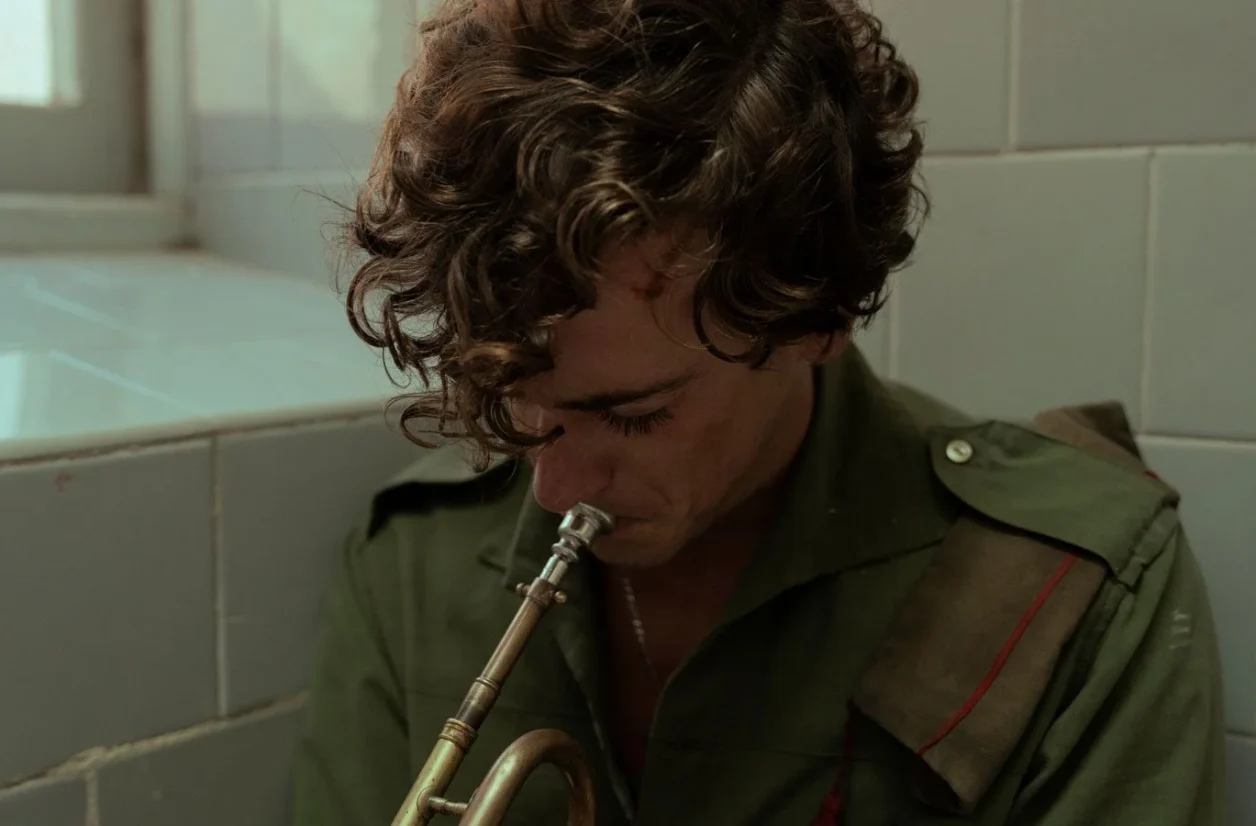
In the Short Film Competition, the Palme d’Or went to For the Opponents by Argentine filmmaker Federico Luis, an international co-production between Mexico, Chile and France.
Beyond the individual winners, this year’s palmarès suggests that Cannes chose to reward films concerned with historical memory, questions of identity, sexual freedom, social fractures and the mechanisms of power.
In an edition marked by fierce debate between detractors and defenders of films such as The Black Ball, which became one of the festival’s most divisive and widely discussed titles, the Official Selection was often dominated by a sense of déjà vu surrounding many established names, alongside a number of disappointing French productions. This was notably the case with Mémoire d’une fille by Judith Godrèche, co-written with Annie Ernaux, or the decidedly underwhelming Histoires de la nuit by Léa Mysius. Critical discussions remained open until the very last day, and the jury ultimately arrived at a verdict that, as always, will be open to debate.
Mungiu’s Palme d’Or winner is arguably not the strongest film of his career, while the directorial mastery displayed by the filmmaker behind Fatherland may well have deserved a more prestigious distinction. The final outcome may not satisfy every prediction or critical ranking, but it nevertheless offers a remarkably accurate snapshot of the films that most clearly defined this intense and often fascinating edition of Cannes.
Awards
Competition
Palme d’Or: Fjörd – Cristian Mungiu
Grand Prix: Minotaur – Andrey Zvyagintsev
Jury Prize: The Dreamed Adventure – Valeska Grisebach
Best Director: Javier Ambrossi, Javier Calvo (The Black Ball); Pawel Pawlikowski (Fatherland)
Best Actress: Virginie Efira, Tao Okamoto (All of a Sudden)
Best Actor: Emmanuel Macchia, Valentin Campagne (Coward)
Best Screenplay: A Man of His Time by Emmanuel Marre
Caméra d’OrBen’Imana (Marie-Clémentine Dusabejambo)
Short-film Competition
For the Opponents – Federico Luis
Un Certain Regard
Un certain regard award: Everytime (Sandra Wollner)
Jury Prize: Elephants in the Fog (Abinash Bikram Shah)
Special Jury Prize: Iron Boy (Louis Clichy)
Best Actress: Marina De Tavira, Daniela Marín Navarro, Mariangel Villegas (Forever Your Maternal Animal)
Best Actor: Bradley Fiomona Dembeasset (Congo Boy)
Nadie ha publicado ningún comentario aún. ¡Se tú la primera persona!